
Freshwater
Concept: Creating a light, airy, character-filled three-level Hampton-style beach home on a small corner site
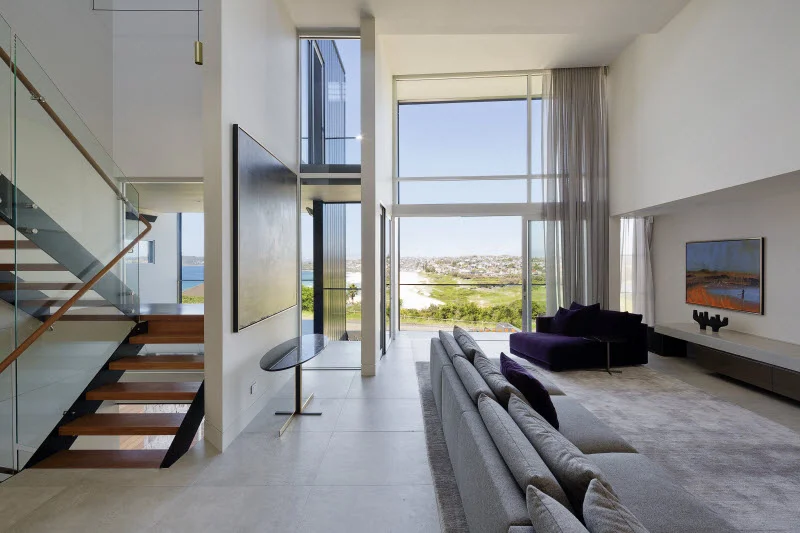
The concept of ‘modern residential architecture’, or ‘modern architecture’ was ironically coined nearly 100 years ago.
Modern architecture comes from the late 19th century and was based on the technological innovations of the previous revolution. It seems fitting then to reference today’s modern architecture as being inspired by the Fourth Industrial Revolution or 4IR, which has been defined by the significant technological innovation and transformation that has had – and will continue to have – on modern society.
It is disruptive.
It is innovative.
It is functional.
It can be expensive (if done correctly).
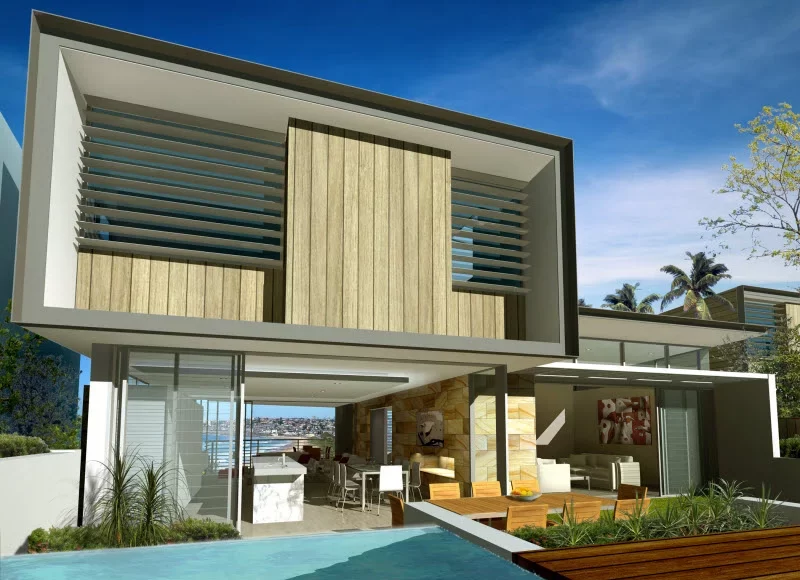
And that’s exactly how we approach modern residential architecture at Playoust Churcher.
As specialist North Shore architects, we focus on function whilst creating gorgeous, innovative spaces for the Northern Beaches and North Shore areas in Sydney that lead the charge in beautiful and revolutionary modern residential design.
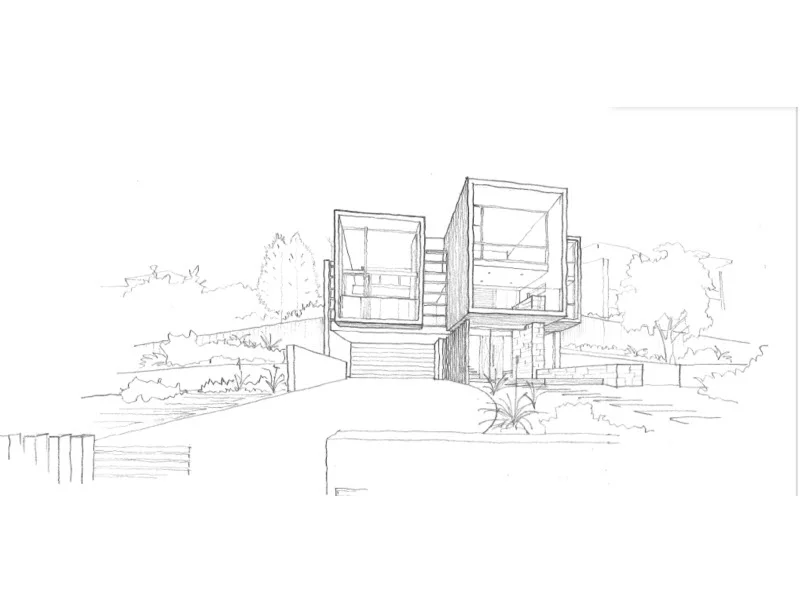
At Playoust Churcher, the way we approach our design process is testament to how our business has harnessed 4IR and in the way our company operates. Using disruptive technology to approach each project has allowed us to design for local and international clients and appeal to nuclear and extended family scenarios. Our projects remain functional, focus on the flow of the home and deliver world class design.
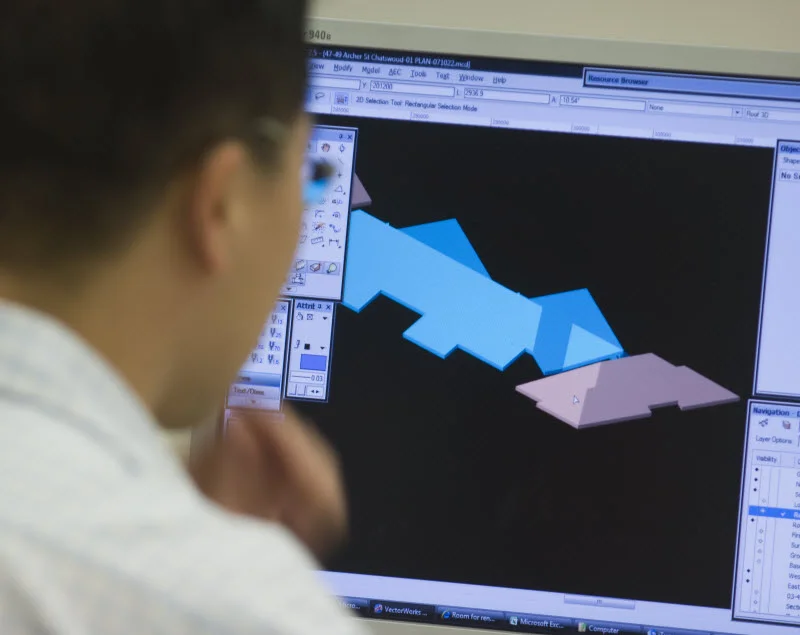
Unpacking the vision for each client helps us understand what each client has envisaged for their modern residential home.
Once the regulatory and compliance requirements have been determined and initial sketches are presented to the client, we use 3D technology to help bring the vision to life, including building materials, size of the wardrobes, even fittings and fixtures. This process allows the client to virtually walk through their future home.
Once we have completed the next step, which involves council compliance, our specialist team undertakes a detailed interior planning and design process that shines the spotlight on modern residential architecture best practices inside the home.
This involves making beautiful spaces functional and leveraging hidden technologies throughout the home to ensure your home is future-proof and considerate of the environment – a key characteristic of modern residential architecture and design.
Walking through the contract tender process allows us to ensure that our vision to bring modern residential architecture to life is shared with the team of builders commissioned to physically build the home. We work closely with the construction team to make sure every element of the design management process is protected.
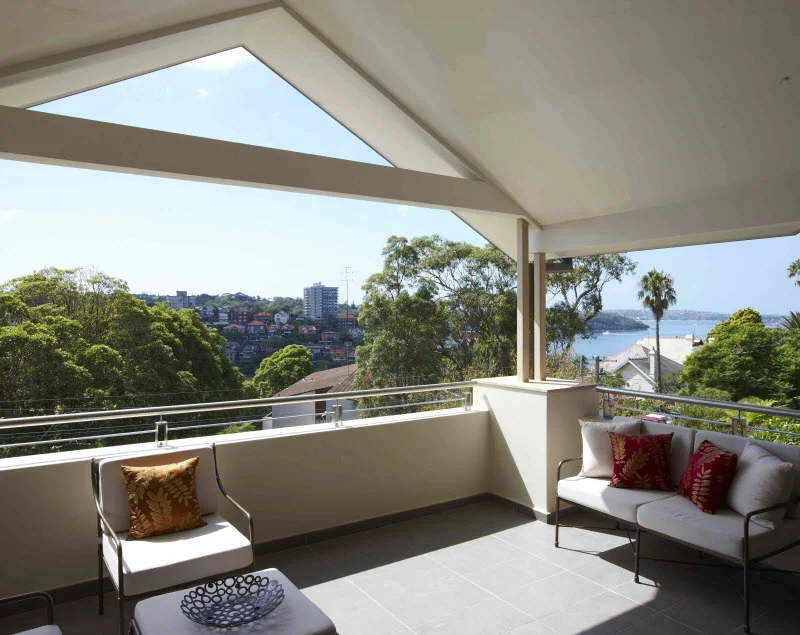
Many clients think modern “clean line” spaces would be easier to build and therefore cheaper than, say more detailed spaces. This opinion is one myth that needs to be debunked.
Although the spaces are less cluttered and detailed, they expose the materials and junctions. In traditional construction it is not critical that the wall and floor are perfectly finished at a junction as a covering such as a skirting board or cornice is placed over the joint to hide any imperfections.
There is often no covering in modern architecture and the wall and floor junctions, so the finish needs to be perfect. This decision involves extra time and skill and therefore cost.
When you take the modern detailing and apply it across the whole project for consistency, it’s easy to see why these projects can become quite costly. Look out for a future blog where we will look at avoiding mistakes when designing modern spaces.
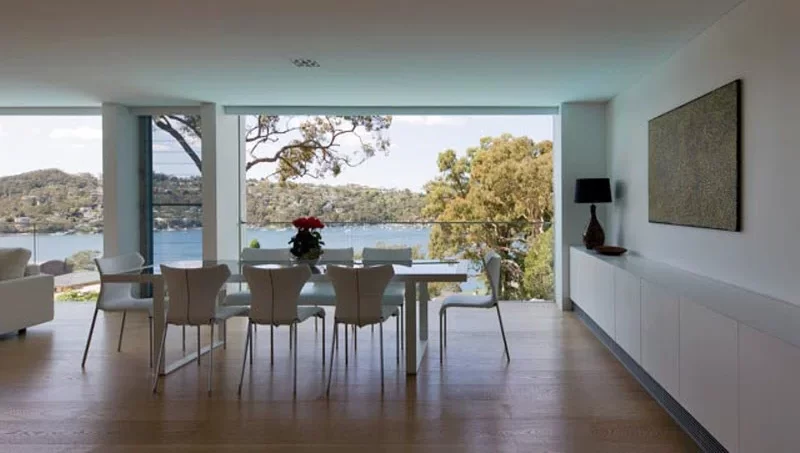
Our journey doesn’t stop once the build does. We commit to our clients for the long haul and make sure that robust home maintenance considerations are developed to suit each client’s lifestyle needs.
To speak to us about your future home that harnesses modern residential architecture and best in class design, contact us.
A building plan connects every phase of your project—from early concept through to completion. It’s especially crucial in an environment of rising building costs and labour shortages, helping you stay on budget, on schedule, and future-proof your home.
It starts with understanding your vision, purpose, timeline, and budget—paired with insights into local property trends. This phase ensures both client and architect have aligned expectations and a clear strategic starting point.
Key insights include current material costs (noting year-on-year increases, sometimes doubling), local labour shortages, environmental considerations, council rules, and the demands of the DA process
This phase brings clarity through detailed scheduling and budgeting, includes inflation and cost buffers, and involves council liaison and coordination with contractors—minimising costly revisions down the line.
By embedding clarity, realistic budgets, project flow, and early-stage strategic alignment, this method significantly reduces the likelihood of time delays, unexpected expenses, or scope creep—ensuring long-term project success.

The firm positions “modern residential architecture” within the framework of the Fourth Industrial Revolution—highlighting design that is disruptive, innovative, functional, and (when executed with high fidelity) inherently premium.
They use 4IR-inspired tools—from virtual 3D walkthroughs to detailed material, fitting, and fixture visualisation—to craft homes that are both beautiful and purposeful, tailored for diverse family contexts.
Contrary to expectations, modern “clean line” architecture demands heightened craftsmanship—especially in exposed junctions like wall-floor interfaces—where perfect finish is essential, warranting greater time and investment.
Playoust Churcher maintains deep engagement beyond handover, embedding maintenance planning customized for client lifestyles—ensuring modern design endures in both form and function.
Managing Director & Nominated Architect
NSW Architect Registration No. 5924
With over 30 years of architectural experience, Brett Churcher leads Playoust Churcher Architects with a rare combination of design expertise and commercial insight. As a registered architect and Managing Director, Brett has played a pivotal role in delivering high-end single residential homes and boutique medium-density developments across Sydney’s North Shore and beyond.
Brett’s unique strength lies in his deep understanding of both architectural design and the Sydney property market. His valuation background enables him to align creative vision with practical feasibility, ensuring each project achieves both aesthetic excellence and financial viability.
At Playoust Churcher, Brett drives the studio’s growth, strategy, and leadership, while remaining closely connected to what matters most: the client. His ability to see the bigger picture from a client’s perspective and to guide projects seamlessly through the design process is at the heart of his role and reputation.
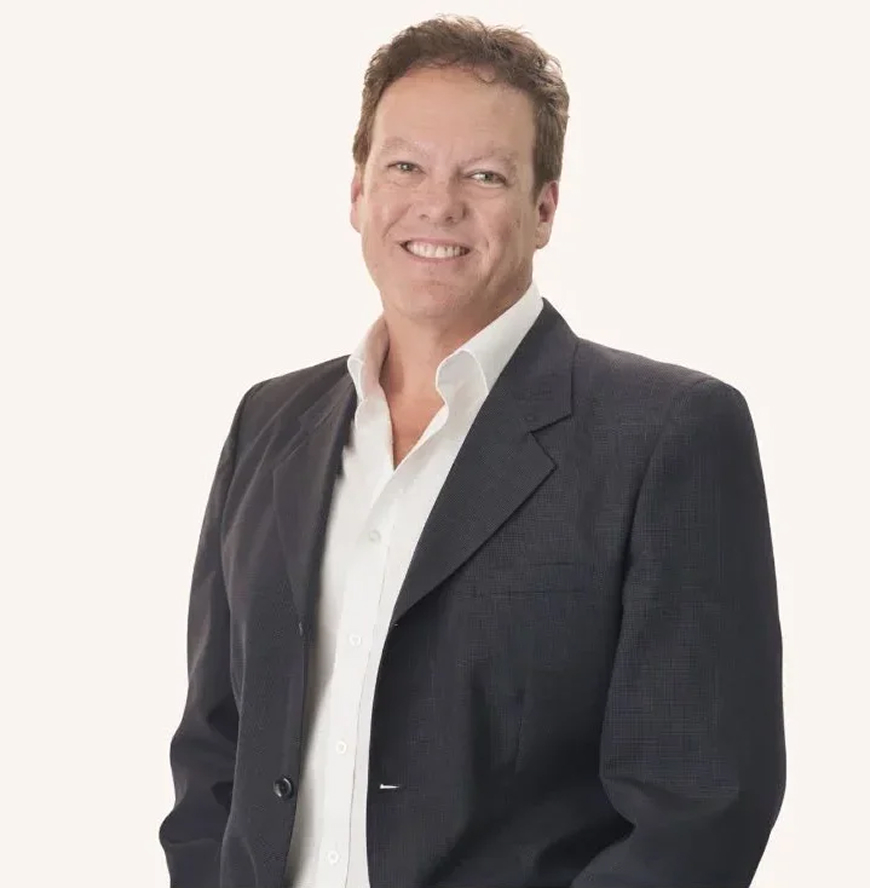
Reach out to Brett to explore how Playoust Churcher can bring it to life—with clarity, creativity and confidence.

Concept: Creating a light, airy, character-filled three-level Hampton-style beach home on a small corner site
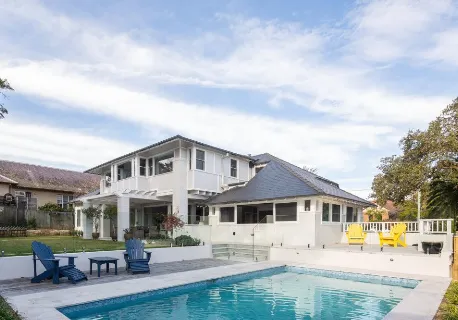
Concept: Adapting a beautiful family heritage home in a quiet street on a large site to suit the family’s lifestyle

Concept: Designing a new family home that maximises the views and introduces a sense of open space

Concept: A complex yet successful renovation of this stunning heritage home in a conservation area

Concept: A 1970s build transformed into a bright, open design maximising stunning harbour views

Concept: A complete rebuild of half the property over two levels, whilst also incorporating the property next door

Concept: A majestic holiday home that pushes the design envelop, blending sustainable materials and natural light


Concept: A major ground floor renovation of a large estate with a new three-car garage and 14 metre pool

© Copyright Playoust Churcher 2026 All rights reserved. Website by Brilliant Digital.
We live and work on the lands of the Gadigal people of the Eora nation. We acknowledge their traditional custodianship of the land and pay respects to their Elders past, present and emerging.