
Freshwater
Concept: Creating a light, airy, character-filled three-level Hampton-style beach home on a small corner site
Good news, nature lovers: you don’t have to build a home from scratch to create a beautiful flow between the outdoors and indoors. Our architect and interior designer Belinda Miles shares some practical tips to invite nature into your living spaces.
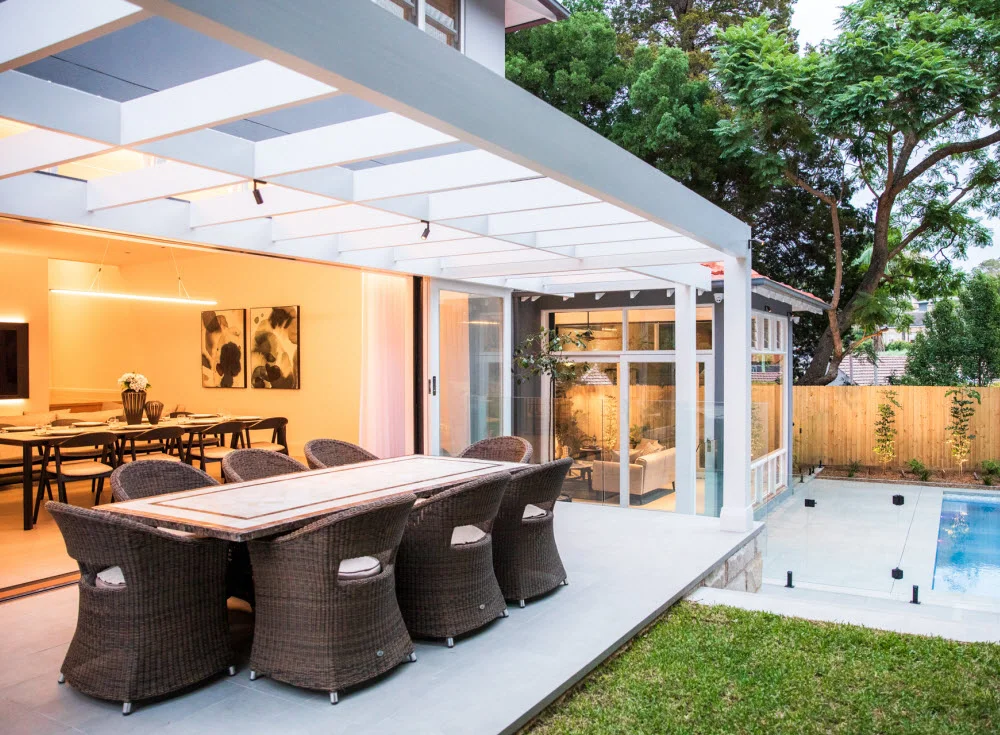
An easy way of enjoying the outdoors at home is creating an outdoor space that’s easy to use and brings you joy.
“I would look to creating more versatile and weather-proof outdoor areas that can be utilised all year round. Adding more functional and enticing furniture to a deck or balcony can encourage greater use of that space. Also, consider enlarging the openings between inside and outside to increase the flow between the spaces,” says Belinda.
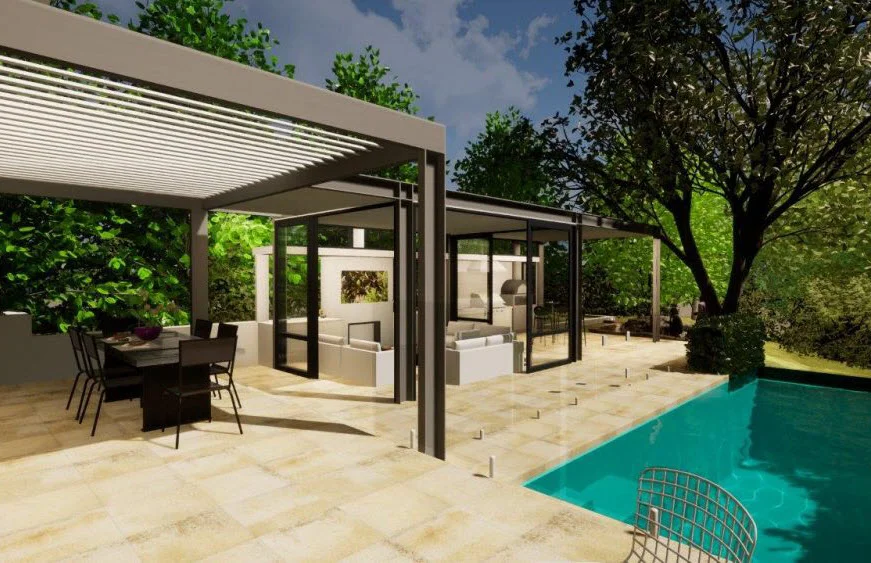
An outdoor room or cabana is also a great idea to create a multifunctional area that can substantially increase the living areas of your home.
These can be flexible spaces that can be fully open to the elements or closed off. They may contain a lounge area, dining area, BBQ/kitchen, pizza oven and bar area… maybe even a teenage retreat/games room or gym. They can be poolside or even just a garden room… no pool required!
Our team at Playoust Churcher has been working on a similar project for one of our clients. The brief: A poolside cabana for teenage entertainment.
With two teenage daughters, our client wanted more space to entertain but did not want to increase the size of the main home. We worked with them to create a design that is functional, flexible and beautiful. It contains a dining area, living area with TV, BBQ and pizza oven and bar seating. There’s also a lovely firepit. This design arrangement increases their entertaining and relaxation areas while enhancing the way they live in their home.
For those living in apartments that have no outdoor space, Belinda suggests incorporating as many plants into your décor as possible.
“Standard plants in corners, small plants on sideboards. All different sizes and varieties to add colour and texture to your space. Many plants have also been found to improve the quality of the air, so that has to be an added bonus!
Also adding pops of green and white to your furnishings can help freshen up the space and increase the connection to the outdoors.”
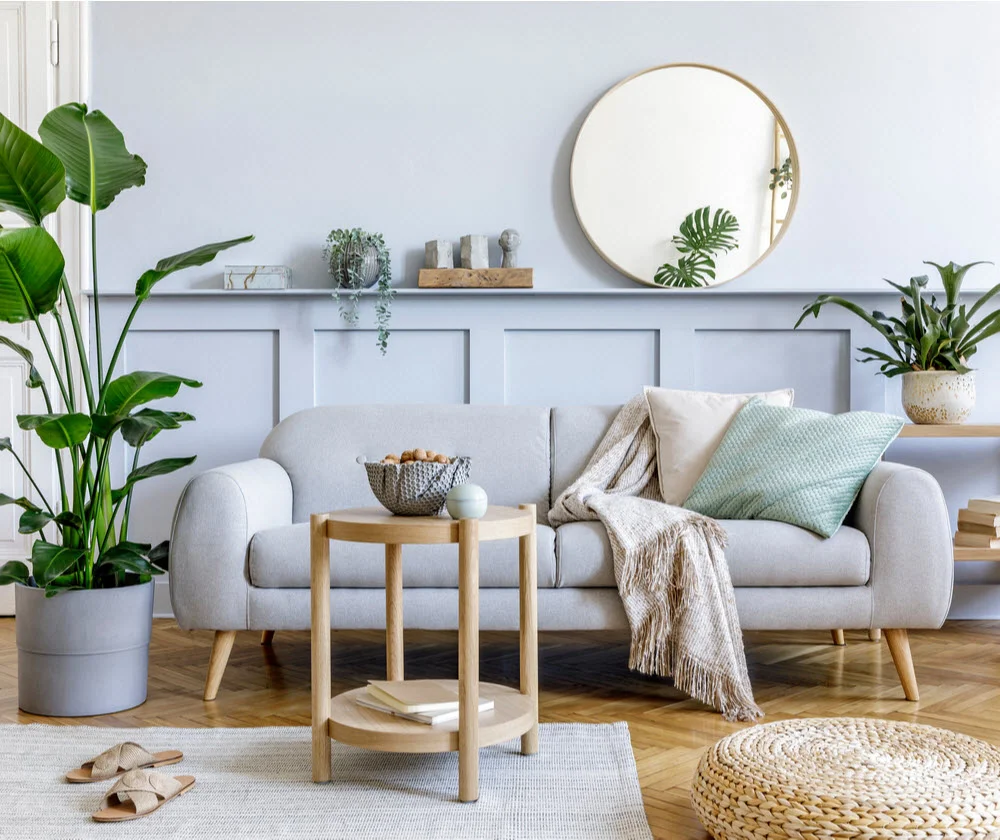
Natural light… the more of it you invite into your home, the better! According to Belinda, to increase the natural light in your home, the obvious option is adding more mirrors, and going with light colours in your décor choice.
“Positioning a mirror to reflect a beautiful outdoor area can work wonders, especially in a small space.
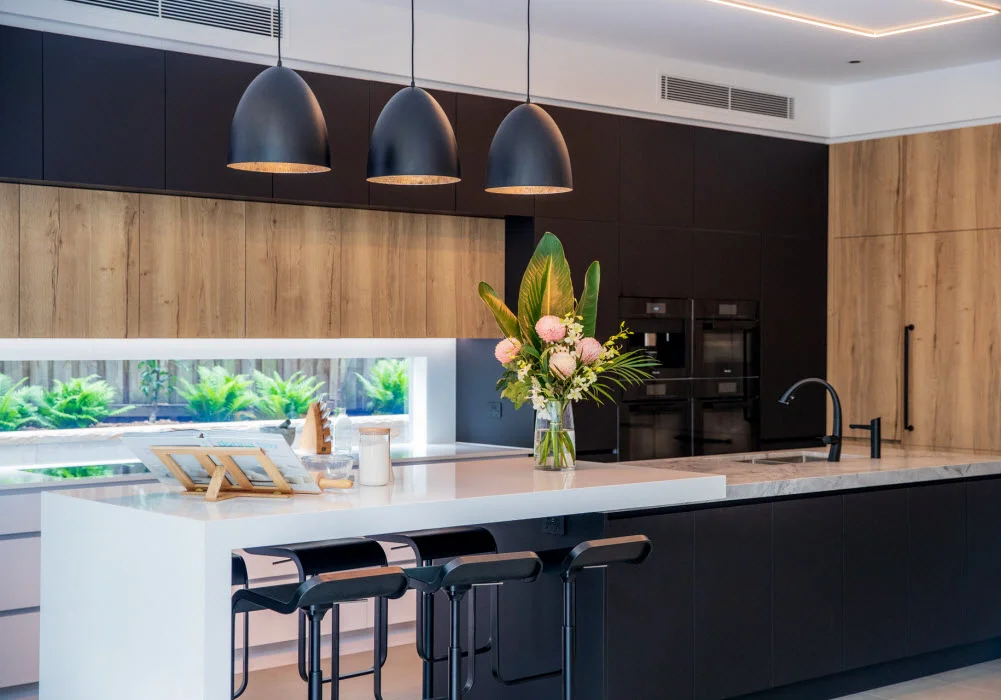
If you’re really trying to increase the amount of light in a space, I would also consider lightening up the décor – white reflects light and increases the sense of space, whereas black absorbs light and can make a space feel smaller and more enclosed.”
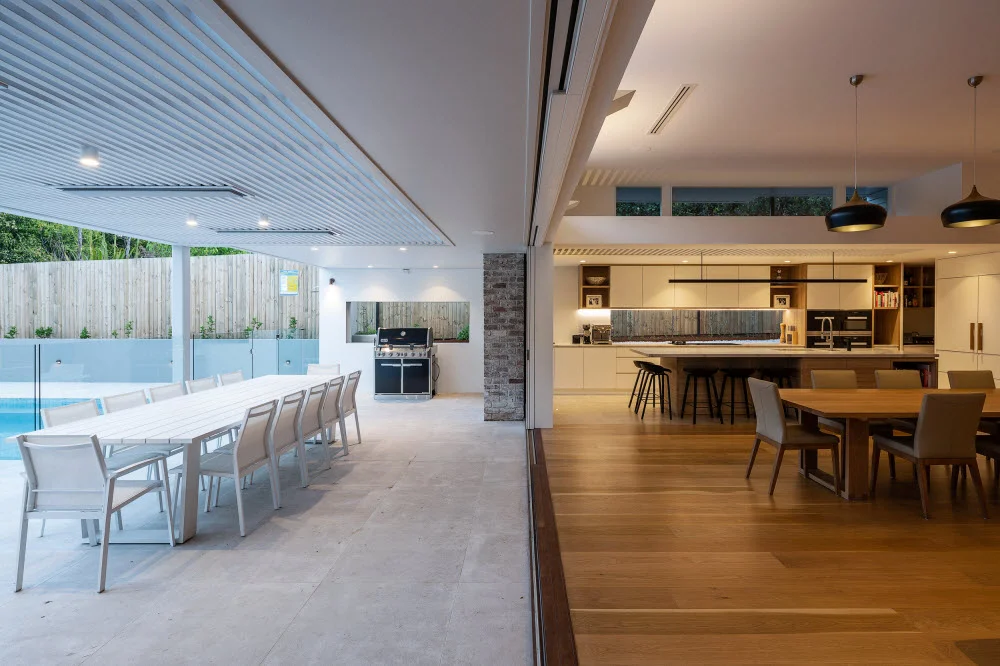
In order to maximise the ease of outdoor living in all weather conditions, strategic planning is key.
“Ideally, a nice deep deck with a high ceiling allows adequate ventilation. Also, adding ceiling fans to outdoor spaces for summer and heaters for winter enables the use of the spaces all year round and in all weather,” says Belinda.
If you don’t have the luxury of depth and space, you might consider screens for weather protection or additional shading solutions to provide protection from the direct sun, wind or rain.
Belinda adds: “Another smart idea is to use deciduous planting to provide shade in summer but allow sun into the space in the colder months. The air is also cooled as it passes through the foliage, which makes the space even more enjoyable on those hot summer days.”

You’ll need some patience to see how the weather plays out where your home is located… especially if you are designing a house from scratch.
“I would definitely spend the time assessing the environmental aspects of the house – shading, ventilation, insulation, glazing, etc. Ideally, you would work in conjunction with a landscape architect too, in order to maximise the flow from inside to outside. If a house is designed properly, it should require less heating and less cooling (economical and environmental bonus!) and provide a wonderful space to live – both inside and outside.”
Engaging professional architects and designers who take the time to truly understand your lifestyle and home needs is a crucial step to create your forever home.
At Playoust Churcher, our team is down to earth, knowledgeable and experienced in the DA process.
Contact us today to start the conversation.
It refers to design strategies that visually and functionally integrate a home with its outdoor environment—through features like expansive glass walls, indoor greenery, natural materials, and seamless flow to alfresco patios or gardens. This approach creates a stronger connection with nature and improves wellbeing in daily living.
Sydney’s mild climate and scenic landscapes make indoor-outdoor design appealing and practical. Homes with strong connection to gardens, terraces or courtyards take advantage of natural ventilation, daylighting, and outdoor entertaining—while maintaining a sense of privacy and comfort.
We align architectural form and materiality with landscape planning to ensure smooth transitions between interior and exterior. Our expertise includes daylight analysis, structural openings, and designing built-to-last systems suited to climate and lifestyle interests.
Yes. Whether it’s a luxury renovation, new build or heritage conversion, indoor-outdoor principles can be adapted to fit the planning context, site geography, and client needs. We ensure integration aligns with regulations such as setbacks, conservation overlays, and bushfire requirements where relevant.
In heritage homes, introducing controlled indoor-outdoor design can improve functionality while preserving historical character. Thoughtful interventions—like courtyards or atriums—enhance internal daylight and airflow without altering key façade features or streetscape presence.
Explore our heritage-sensitive design work
Begin with a feasibility consultation. We’ll help assess your site, identify opportunities for integration (e.g. gardens, courtyards), and develop concept design options that merge outdoor living with architectural excellence.

Designing decks, balconies, or outdoor rooms that work well year-round—through stylish, functional furniture and architectural openings.
Multi-use cabanas—perfect for lounging, dining, entertaining, or even family retreats—extend living spaces without expanding the home’s footprint.
Their approach isn’t just conservation-minded—it’s value-driven. By aligning heritage sensitivity with modern functionality and legal compliance, Playoust Churcher creates homes that stand both aesthetically.
Strategically placed mirrors can reflect views or natural light, while light colours in furnishings and walls help bounce brightness around interiors—particularly in compact areas.
Managing Director & Nominated Architect
NSW Architect Registration No. 5924
With over 30 years of architectural experience, Brett Churcher leads Playoust Churcher Architects with a rare combination of design expertise and commercial insight. As a registered architect and Managing Director, Brett has played a pivotal role in delivering high-end single residential homes and boutique medium-density developments across Sydney’s North Shore and beyond.
Brett’s unique strength lies in his deep understanding of both architectural design and the Sydney property market. His valuation background enables him to align creative vision with practical feasibility, ensuring each project achieves both aesthetic excellence and financial viability.
At Playoust Churcher, Brett drives the studio’s growth, strategy, and leadership, while remaining closely connected to what matters most: the client. His ability to see the bigger picture from a client’s perspective and to guide projects seamlessly through the design process is at the heart of his role and reputation.

Reach out to Brett to explore how Playoust Churcher can bring it to life—with clarity, creativity and confidence.

Concept: Creating a light, airy, character-filled three-level Hampton-style beach home on a small corner site
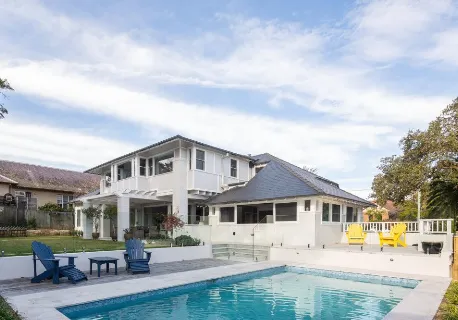
Concept: Adapting a beautiful family heritage home in a quiet street on a large site to suit the family’s lifestyle

Concept: Designing a new family home that maximises the views and introduces a sense of open space

Concept: A complex yet successful renovation of this stunning heritage home in a conservation area

Concept: A 1970s build transformed into a bright, open design maximising stunning harbour views

Concept: A complete rebuild of half the property over two levels, whilst also incorporating the property next door

Concept: A majestic holiday home that pushes the design envelop, blending sustainable materials and natural light


Concept: A major ground floor renovation of a large estate with a new three-car garage and 14 metre pool

© Copyright Playoust Churcher 2026 All rights reserved. Website by Brilliant Digital.
We live and work on the lands of the Gadigal people of the Eora nation. We acknowledge their traditional custodianship of the land and pay respects to their Elders past, present and emerging.