
Freshwater
Concept: Creating a light, airy, character-filled three-level Hampton-style beach home on a small corner site
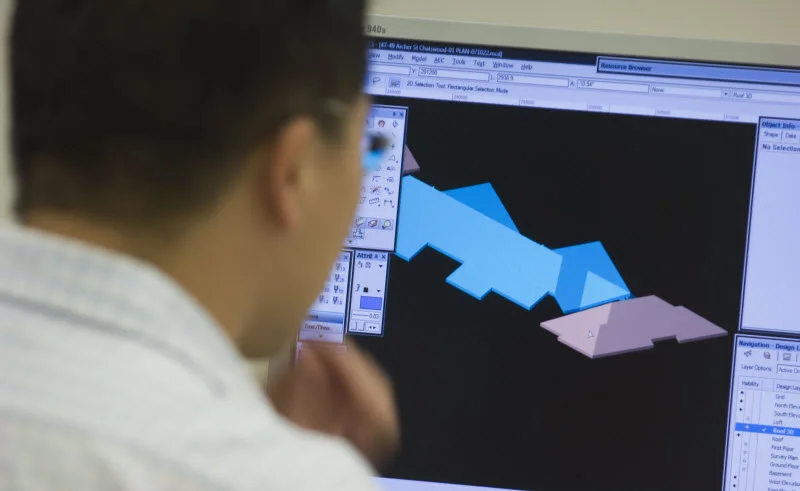
A building plan for your new house design or building project defines the long-term rollout of your project or renovation that connects every part of both the design and building process from concept to completion.
A building plan is vital for any residential architect or architecture firm and their clients today.
Building costs continue to rise, the local labour shortage leaves the industry vulnerable and balancing margins and cash flow becomes more challenging. This strategic plan can also future-proof your home.

We are no strangers to processes. We follow a meticulous architectural process with our clients that supports every design decision, compliance requirement and contractual consideration. Much the same approach applies to setting up a strategic plan.
Here we break it down into three steps:
1. The Need
2. The Insights
3. The Plan
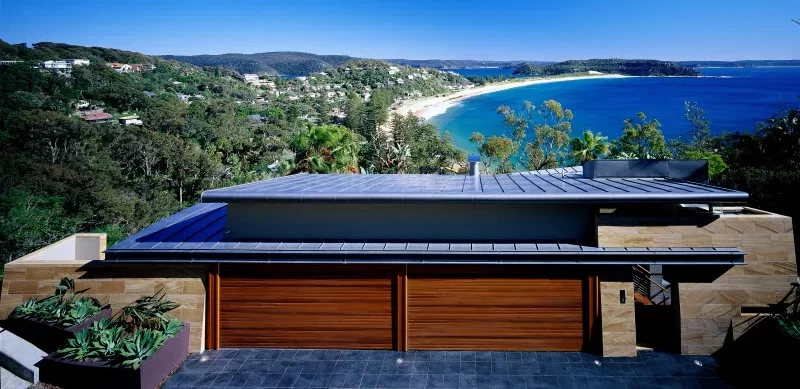
The first part of the building plan process is for us to understand what you, as the client, want. What is your vision for your particular build? Is it a short- or long-term plan and what do those time frames look like?
What is the budget? (Even if you say you don’t have one, you probably have a number in your head.)
It is also important to seek advice on how the area is performing from a property growth and value perspective too, which can guide you in deciding on the project budget vs return on investment goals, especially north shore properties that are witnessing such exponential growth.
This step also requires some intelligent and honest sanity checks between ourselves and the client to understand the holistic view of the project from the get-go.
Partnering with the right architect is where our services become invaluable.

This step requires some meticulous number-crunching that will need some expert analysis.
Building material costs have shown another 12% increase year on year and show no signs of deceleration. The further lockdown restrictions in Asia and unrest in Eastern Europe are not helping commodity prices for raw materials either. However, the dire skills shortage in Australia is forecast to be the main driver for rising building costs this year.
Consider the environmental impact and whether this particular property is subject to any council regulations or approvals.
Who will be responsible for the tricky and often daunting DA process? What are the financial requirements or commitments you will need to make and who will you need to make them to?
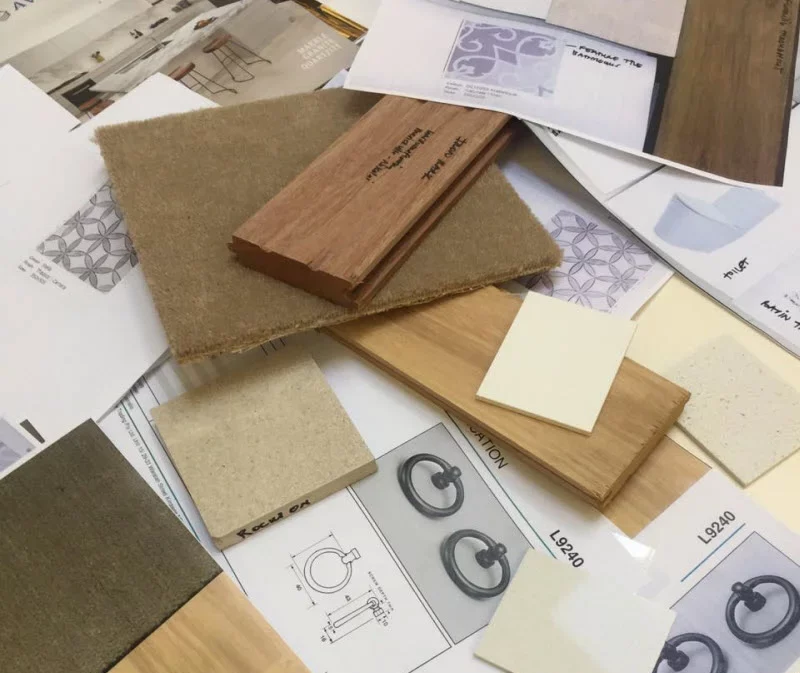
It is now time to analyse phases one and two, make some decisions and plan.
And when we say plan, we mean detailed discussions around timeframes and budgets, including a margin to facilitate any potential material or labour cost increases, inflation buffers and annual increases, depending on how long the project timeline is forecast to take.
Liaising with Council, meeting with and planning with contractors, suppliers and other third parties is an essential step in what is a linear planning process.
The planning process has been designed to minimise reworking or redoing design documentation work which can be expensive and time consuming for all parties including client, architect, consultants and builder.
Forming a holistic partnership with your architect can help mitigate such situations and ensure that the strategic plan is followed for short- and long-term success.
To discuss or start building your strategic building plan, contact us and find out more about what we do and how we can help build or renovate your dream home.
A building plan connects every phase of your project—from early concept through to completion. It’s especially crucial in an environment of rising building costs and labour shortages, helping you stay on budget, on schedule, and future-proof your home.
It starts with understanding your vision, purpose, timeline, and budget—paired with insights into local property trends. This phase ensures both client and architect have aligned expectations and a clear strategic starting point.
Key insights include current material costs (noting year-on-year increases, sometimes doubling), local labour shortages, environmental considerations, council rules, and the demands of the DA process.
This phase brings clarity through detailed scheduling and budgeting, includes inflation and cost buffers, and involves council liaison and coordination with contractors—minimising costly revisions down the line.
By embedding clarity, realistic budgets, project flow, and early-stage strategic alignment, this method significantly reduces the likelihood of time delays, unexpected expenses, or scope creep—ensuring long-term project success

A well-defined building plan lays the foundation for your project—connecting every stage from early design through construction and helping to future‑proof your home in a market of rising costs and labour shortages
The initial phase focuses on understanding your vision, timelines, and budget—and balancing them against local property growth and expected return on investment, especially within valuable North Shore markets
Through expert analysis, including tracking market pressures like material cost inflation (another ~12% y/y), environmental impacts, and approval complexities (e.g., DA processes), the plan anticipates challenges and informs sound decisions
A structured planning phase aligns budgets with timelines—incorporating buffers for cost fluctuations—while coordinating council contacts, contractors, and suppliers to minimise costly rework and risk
Managing Director & Nominated Architect
NSW Architect Registration No. 5924
With over 30 years of architectural experience, Brett Churcher leads Playoust Churcher Architects with a rare combination of design expertise and commercial insight. As a registered architect and Managing Director, Brett has played a pivotal role in delivering high-end single residential homes and boutique medium-density developments across Sydney’s North Shore and beyond.
Brett’s unique strength lies in his deep understanding of both architectural design and the Sydney property market. His valuation background enables him to align creative vision with practical feasibility, ensuring each project achieves both aesthetic excellence and financial viability.
At Playoust Churcher, Brett drives the studio’s growth, strategy, and leadership, while remaining closely connected to what matters most: the client. His ability to see the bigger picture from a client’s perspective and to guide projects seamlessly through the design process is at the heart of his role and reputation.

Reach out to Brett to explore how Playoust Churcher can bring it to life—with clarity, creativity and confidence.

Concept: Creating a light, airy, character-filled three-level Hampton-style beach home on a small corner site
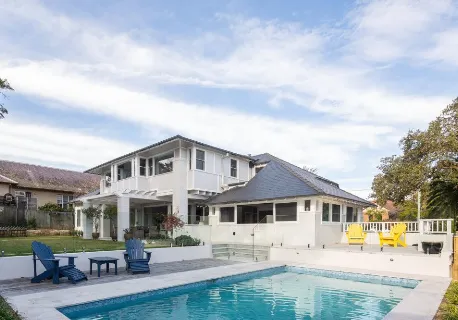
Concept: Adapting a beautiful family heritage home in a quiet street on a large site to suit the family’s lifestyle

Concept: Designing a new family home that maximises the views and introduces a sense of open space

Concept: A complex yet successful renovation of this stunning heritage home in a conservation area

Concept: A 1970s build transformed into a bright, open design maximising stunning harbour views

Concept: A complete rebuild of half the property over two levels, whilst also incorporating the property next door

Concept: A majestic holiday home that pushes the design envelop, blending sustainable materials and natural light


Concept: A major ground floor renovation of a large estate with a new three-car garage and 14 metre pool

© Copyright Playoust Churcher 2026 All rights reserved. Website by Brilliant Digital.
We live and work on the lands of the Gadigal people of the Eora nation. We acknowledge their traditional custodianship of the land and pay respects to their Elders past, present and emerging.