
Freshwater
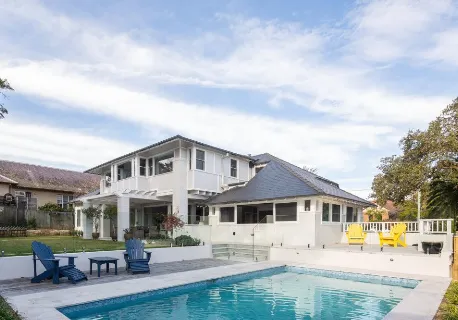
Concept: Creating a light, airy, character-filled three-level Hampton-style beach home on a small corner site

Whether you’re restoring a heritage-listed residence or building a new contemporary single or dual occupancy dwelling on Sydney’s North Shore, it is an exciting opportunity and a complex undertaking. One of the more critical aspects of your project isn’t just design, it’s navigating council.
Having worked extensively across the North Shore for many years, Playoust Churcher Architects can confidently say that process and experience are often the difference between an uninterrupted approval and a drawn-out, frustrating one.
Sydney’s North Shore spans several councils, each with its own Local Environmental Plan (LEP), Development Control Plan (DCP), heritage controls, character area guidelines, and internal assessment culture. On paper, planning controls may appear straightforward. In practice, interpretation matters, and that’s where experience becomes invaluable.
Each council has its own nuances. Some take a highly conservative view on streetscape and heritage context. Others focus heavily on landscape setting, tree preservation, or the transition between old and new built form. If you’re proposing a dual-occupancy subdivision, the potential subdivision and minimum lot requirements become critical. For new builds, floor space ratios, height limits, setbacks and deep soil requirements all play a part.
What many homeowners don’t initially realise is that success isn’t simply about complying with numbers. It’s about presenting a coherent planning narrative that demonstrates your proposal responds thoughtfully to the site and its context.
“Success isn’t simply about complying with numbers; it’s about presenting a coherent planning narrative that responds thoughtfully to the site and its context.”
The North Shore is rich in Federation, Californian bungalow, and interwar homes. Renovating these properties requires a careful balance between preservation and contemporary living.
In my experience, councils are not opposed to modern interventions. What they want to see is respect for the original architectural language, for the streetscape, and for the broader heritage significance of the area.
A well-prepared heritage impact statement, clear documentation of original fabric, and a considered design strategy are essential. I often advise clients that the most successful heritage renovations don’t mimic the past; they differentiate old and new in a way that feels intentional and complementary.
Where projects falter is usually in one of two areas: overdevelopment of the site or insufficient justification for change. An experienced architect understands how to position a design so that it aligns with planning controls and council expectations
Building a new home on Sydney’s North Shore, particularly a dual-occupancy home, requires strategic thinking from the outset, even with the relaxation of some development criteria over the past 12 months.
Beyond complying with LEP and DCP controls, there are often considerations for neighbourhood character. Councils may scrutinise bulk and scale, privacy impacts, overshadowing, driveway widths, tree removal, and how the building addresses the street.
In dual-occupancy buildings, even subtle design decisions can make a significant difference. Articulating facades, breaking down massing, integrating landscape meaningfully, and ensuring each dwelling maintains a sense of individuality are all critical in achieving approval.
I always approach these projects by asking: how will the assessing planner read this proposal? Anticipating their concerns early allows us to resolve potential issues in the design phase rather than reacting later through requests for information or redesign.
An often-overlooked aspect of residential projects is choosing the appropriate approval pathway. Should your project proceed as a Development Application (DA)? Is a Complying Development Certificate (CDC) viable? Are there heritage constraints that prevent CDC from being an option?
A misstep here can cost months.
Part of my role is advising clients clearly and honestly at the feasibility stage. Sometimes that means adjusting expectations. Other times, it means refining the brief to achieve the desired outcome within planning constraints. The key is understanding risk and managing it proactively.
“A beautiful home that cannot gain approval remains a concept — careful planning strategy is what turns vision into reality.”
Councils assess what is documented. Thorough, precise drawings and well-prepared supporting reports are not optional; they are fundamental.
Clear architectural documentation reduces ambiguity. Strong written planning justification frames the proposal positively. Collaboration with heritage consultants, town planners, and landscape architects strengthens the overall submission.
Equally important is communication. In many cases, early engagement, whether through pre-DA meetings or informal discussions, can clarify council expectations before significant design resources are committed. Experience teaches you when to push, when to negotiate, and when to refine.
Over time, you develop an understanding of how different councils interpret controls, how particular sites may trigger additional scrutiny, and how to present a design that aligns with the client’s vision and the regulatory framework.
For homeowners, this translates into reduced stress and fewer redesigns. Design excellence and planning strategy are not separate disciplines but are intertwined. A beautiful home that cannot gain approval remains a concept. A carefully navigated approval process ensures your vision becomes reality.
Playoust Churcher Architects is Sydney’s North Shore’s most respected architectural firm. We have been integral to the area’s architectural fabric, designing and supervising the construction of many of its most esteemed renovation and new-build projects.
Our team is well-positioned to maximise your financial return and is committed to delivering value that minimises risk and ensures projects stay on schedule and within budget.
Contact our team for a comprehensive consultation on your project.
Each council has its own Local Environmental Plan, Development Control Plan, heritage controls and internal assessment approach. While the controls may appear straightforward, interpretation varies, significantly impacting outcomes. Experience navigating these nuances is often the key to a smooth approval.
Not always. Beyond meeting height limits, floor space ratios and setbacks, councils look for a well-considered planning narrative. Your proposal must clearly demonstrate how it responds to the site, streetscape and surrounding context.
Successful heritage renovations balance respect for the original architectural language with contemporary living needs. Councils generally support modern additions when they are clearly differentiated and thoughtfully designed. A strong heritage impact statement and clear documentation of original fabric are essential.
Projects often falter due to overdevelopment of the site or insufficient justification for proposed changes. Councils carefully assess bulk, scale, privacy, overshadowing and landscape impacts. Anticipating and addressing these concerns early reduces the risk of costly redesigns.
Beyond basic compliance, councils assess neighbourhood character, massing, tree removal, driveway widths and how the building addresses the street. For dual occupancies, façade articulation and maintaining individuality between dwellings are particularly important. Subtle design decisions can significantly influence approval outcomes.
Choosing between a Development Application and a Complying Development Certificate depends on your site, design and any heritage constraints. Selecting the wrong pathway can cost months. Early professional advice helps clarify risk and align expectations from the outset.
Playoust Churcher integrates design excellence with planning strategy from day one. By anticipating how assessing planners will interpret a proposal, the team resolves potential issues early, ensuring the design remains aligned with both council requirements and the client’s vision.
Through thorough documentation, strong planning justification and early engagement with councils, Playoust Churcher reduces ambiguity and prevents unnecessary delays. Their extensive North Shore experience enables proactive risk management, helping clients achieve approval efficiently and move confidently into construction.

Council approvals on Sydney’s North Shore require more than technical compliance; interpretation of planning controls and local nuances is critical.
Heritage renovations succeed when they respectfully differentiate old and new, supported by strong documentation and a clear design rationale.
New single- and dual-occupancy homes demand strategic thinking around bulk, scale, landscape integration, and neighbourhood character from the outset.
Early advice, the right approval pathway and thorough documentation significantly reduce risk, delays and costly redesigns.
Managing Director & Nominated Architect
NSW Architect Registration No. 5924
With over 30 years of architectural experience, Brett Churcher leads Playoust Churcher Architects with a rare combination of design expertise and commercial insight. As a registered architect and Managing Director, Brett has played a pivotal role in delivering high-end single residential homes and boutique medium-density developments across Sydney’s North Shore and beyond.
Brett’s unique strength lies in his deep understanding of both architectural design and the Sydney property market. His valuation background enables him to align creative vision with practical feasibility, ensuring each project achieves both aesthetic excellence and financial viability.
At Playoust Churcher, Brett drives the studio’s growth, strategy, and leadership, while remaining closely connected to what matters most: the client. His ability to see the bigger picture from a client’s perspective and to guide projects seamlessly through the design process is at the heart of his role and reputation.

Reach out to Brett to explore how Playoust Churcher can bring it to life—with clarity, creativity and confidence.

Concept: Creating a light, airy, character-filled three-level Hampton-style beach home on a small corner site
Concept: Adapting a beautiful family heritage home in a quiet street on a large site to suit the family’s lifestyle

Concept: Designing a new family home that maximises the views and introduces a sense of open space

Concept: A complex yet successful renovation of this stunning heritage home in a conservation area

Concept: A 1970s build transformed into a bright, open design maximising stunning harbour views

Concept: A complete rebuild of half the property over two levels, whilst also incorporating the property next door

Concept: A majestic holiday home that pushes the design envelop, blending sustainable materials and natural light


Concept: A major ground floor renovation of a large estate with a new three-car garage and 14 metre pool

© Copyright Playoust Churcher 2026 All rights reserved. Website by Brilliant Digital.
We live and work on the lands of the Gadigal people of the Eora nation. We acknowledge their traditional custodianship of the land and pay respects to their Elders past, present and emerging.