
Freshwater
Concept: Creating a light, airy, character-filled three-level Hampton-style beach home on a small corner site
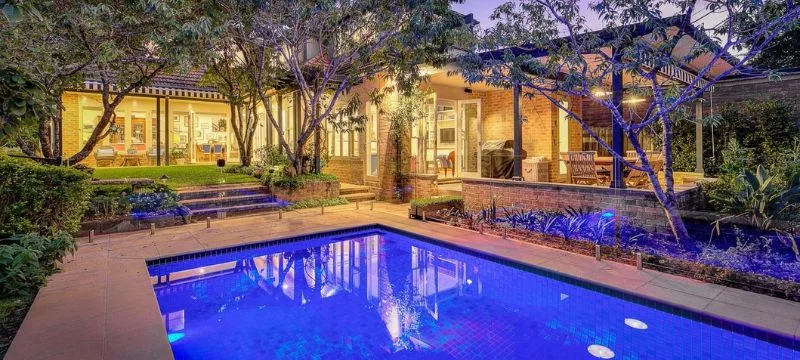
Multigenerational living describes living circumstances where more than one generation lives under the same roof.
These could be either three or four-generation families or grandfamilies where one or more grandparents raise growing children.
As family circumstances shift to adjust to socio-economic environments, we explore whether multigenerational living is on trend or a need.
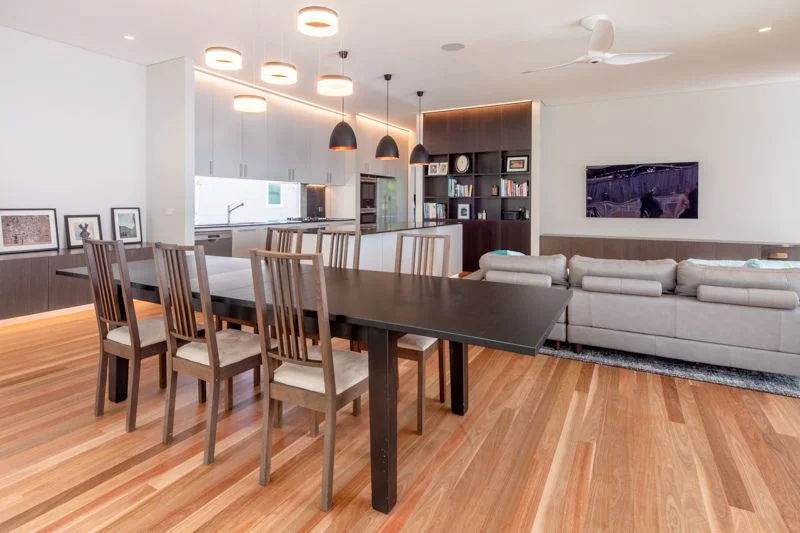
Throughout the 19th century, it was not uncommon in English-speaking countries for elderly parents to live with their adult children. This changed in the mid-20th century when young adults deliberately left home to set up their own homes.
In some countries, however, multigenerational living is still very much part of the culture. Families from Asia, the Middle East, southern Europe and a large part of Africa still live in multigenerational setups.
And people from these parts of the world now residing in Australia have been instrumental in making this living arrangement very much the norm. Could this be the necessary influence multigenerational living has had on the resurgence of this living trend in Australia…? Or could it be…
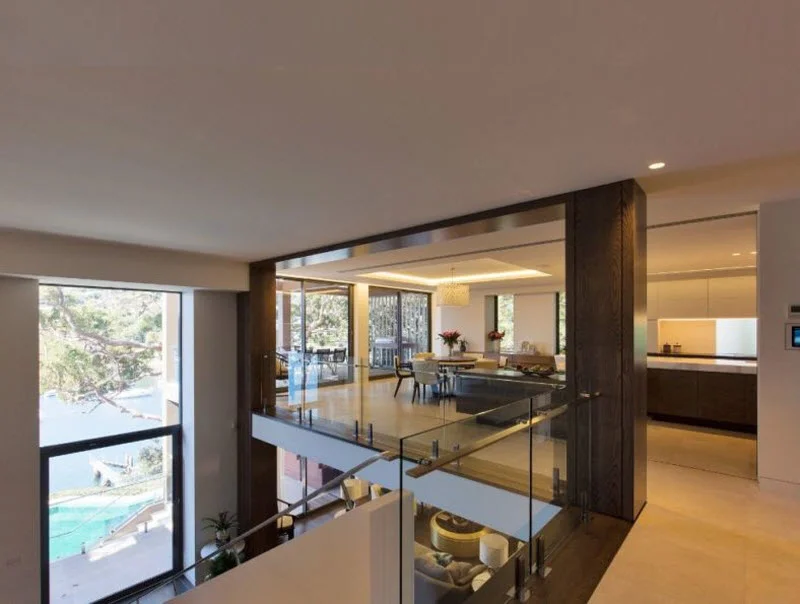
Multigenerational living may not be everyone’s cup of tea, but there are compelling reasons why this, perhaps necessary move based on cultural, cost or personal circumstances, is becoming trendy.
Attractive tax exemption: Granny flats and buildings built on properties intended to house elderly family members are granted an exemption on a property’s Capital Gains Tax (CGT).
House prices: Although prices are slowly decreasing, the emphasis is on the word ‘slowly’. This, coupled with rising inflation and cost of living, has meant that families choosing to live together to save costs proves incredibly economical.
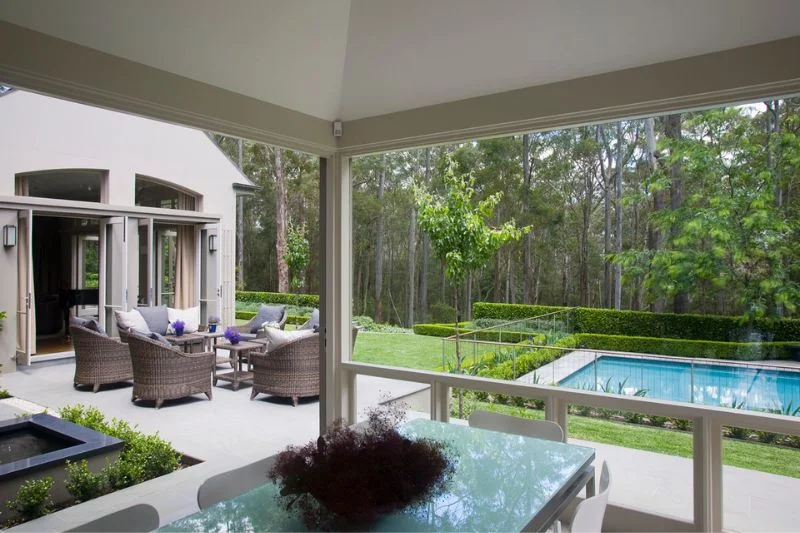
Aged care: Improving aged care and senior living environments has been on the political agenda for years. Families who choose to cohabit will save on aged care or retirement home costs and be able to help elderly family members by offering physical and healthcare support.
Childcare: Although the government has recently offered another incentive to help with exorbitant childcare fees, these remain incredibly high. Some families must even weigh up a second income vs childcare as the cost savings simply don’t balance.
Shared expenses: As we said, the cost of living is increasing and international factors are affecting the delivery of raw materials to serve Australian communities with basic infrastructure, like heating.
This only forces the price upward, putting additional pressure on families. Sharing these costs is a great way to save money and motivate multigenerational living. Sharing expenses also becomes particularly attractive when discussing and planning budgets for your multigenerational dream home.
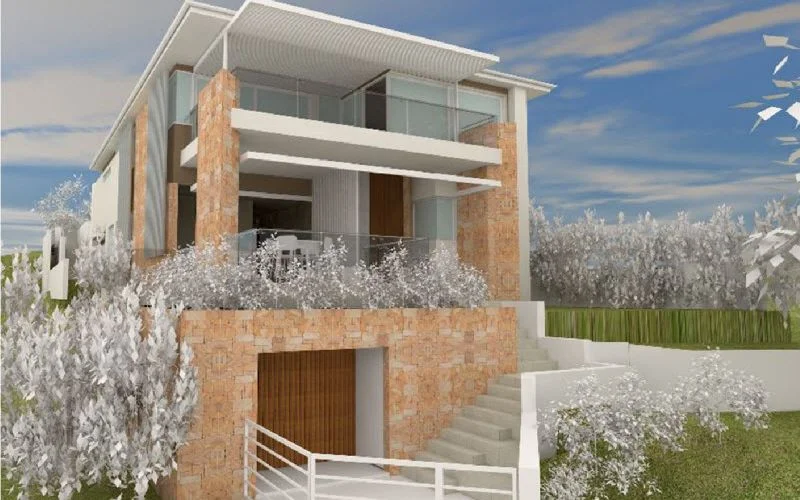
When designing a multigenerational living space, it is crucial to partner with architecture experts to create a space that will work for the dynamics of the multigenerational family.
Here are some considerations to make when designing your multigenerational home or renovation:
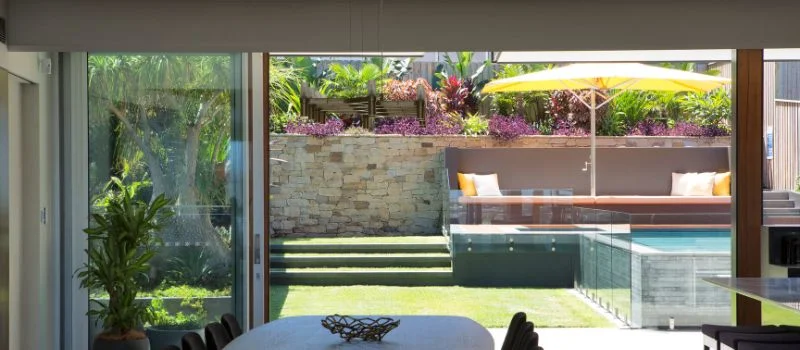
These homes are also called dual living and have become considerably popular and on-trend. Their design offers two separate living spaces with independent amenities under the same roof.
Often these are multi-storey buildings. These multi-story homes are popular on the Northern Beaches and North Shore, especially those looking onto the water.
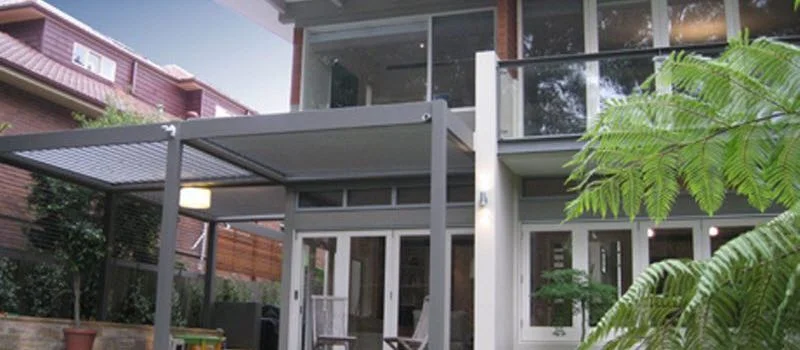
As the name suggests, these are separate units from the primary residence.
They offer separate amenities and access from the main house or via an independent entrance.
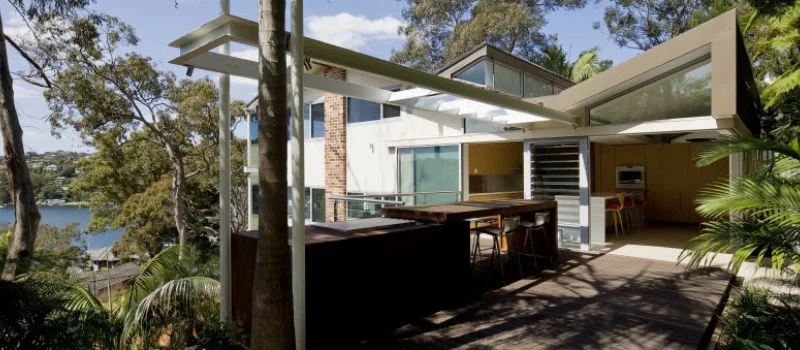
Be sure to be considerate of your privacy requirements when planning a home intended to work for varying age groups and lifestyles.
Sharing a living space shouldn’t come at the expense of your privacy, so be sure to design a home that offers each generation their own space.
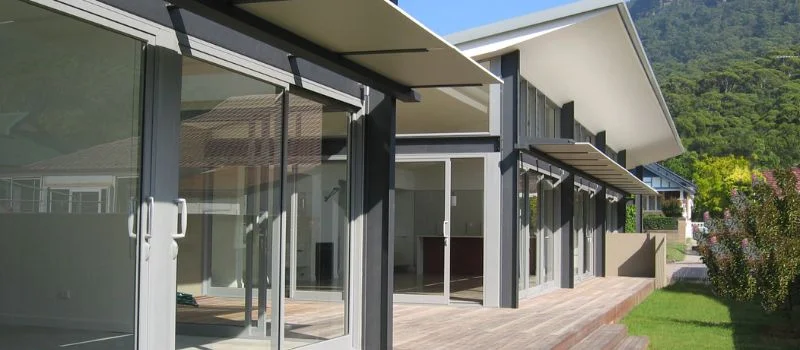
The reality of senior living is that design modifications must be made to support older generations.
These include wider passages for wheelchair or walker access, grab rails in bathrooms, wider showers for seating, and a single-level design for easy mobility.
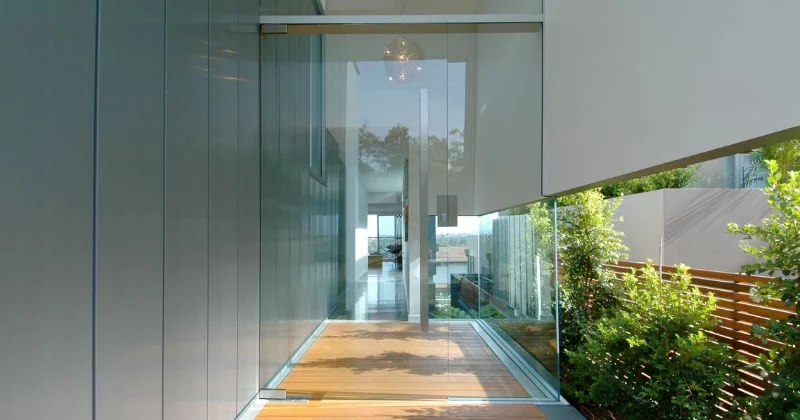
Modern? Traditional? Minimalist?
When planning a multigenerational home, be conscious of the style you decide to make sure that it works for the home’s future resale. Discuss architectural preferences, sustainability features and interior options from the start of the design process.
Ready to create your multigenerational home? Contact us and find out more about what we do to help ensure your home is functional and remains on-trend.
“Recent legislation changes have further limited, and effectively eliminated, the creation of senior housing in residential zoned areas. The previous Seniors Housing Policy allowed small homes, low-rise (2-storey) units and in some circumstances, townhouses within residential areas that were close to bus stops, shops and other local amenities; however, the new policy greatly restricts this. With fewer options and available housing choices for elderly people available, the multigenerational living concept is becoming stronger across a wider variety of families.”
Multigenerational living refers to homes designed for multiple family generations—such as grandparents, parents, and children—under one roof or on two dwellings on the same lot. Rising housing costs, aging in-place, and lifestyle preferences have made these designs practical and increasingly popular.
While multigenerational living is trending, many families choose it for practical reasons—cost efficiency, proximity to care networks, and flexibility. Well-designed homes can provide weekly independence while maintaining shared spaces for family living.
Smart plans include spatial separations (wings or separate units), purpose-designed circulation routes, accessible features, flexible living zones, and dual-entry configurations—all while ensuring unity in architectural style and site character.
Yes. Dual occupancy or duplex arrangements work well for multigenerational living—each unit functions as a distinct home, with separate entry and outdoor space while still acting as one cohesive property.
Our architectural solutions balance privacy and connectivity. We tailor layouts to family needs—from shared social spaces to age-adaptable bedrooms and ensuite configurations—while honoring council zoning and site context.
Start with a feasibility review to assess zoning, site size, and overlays. We’ll help you explore layouts—whether a single house or two units—and guide you through design, approvals, and project delivery.

Multigenerational households were once common—figuratively the norm before the mid-20th century—not the exception. Today, this age-old model is resurging, particularly among communities.
Rising home prices, cost-of-living pressures, and limited aged-care or childcare options are compelling families to live and share expenses under one roof again.
Playoust Churcher avoids the archetypal—and often isolating—granny flat. Instead, they craft homes with privacy intact: separate entries, discreet layouts, and layered outdoor zones.
Beyond economics and culture, this model responds to shifting generational dynamics—where caregiving, support, and connection are prioritized.
Managing Director & Nominated Architect
NSW Architect Registration No. 5924
With over 30 years of architectural experience, Brett Churcher leads Playoust Churcher Architects with a rare combination of design expertise and commercial insight. As a registered architect and Managing Director, Brett has played a pivotal role in delivering high-end single residential homes and boutique medium-density developments across Sydney’s North Shore and beyond.
Brett’s unique strength lies in his deep understanding of both architectural design and the Sydney property market. His valuation background enables him to align creative vision with practical feasibility, ensuring each project achieves both aesthetic excellence and financial viability.
At Playoust Churcher, Brett drives the studio’s growth, strategy, and leadership, while remaining closely connected to what matters most: the client. His ability to see the bigger picture from a client’s perspective and to guide projects seamlessly through the design process is at the heart of his role and reputation.

Reach out to Brett to explore how Playoust Churcher can bring it to life—with clarity, creativity and confidence.

Concept: Creating a light, airy, character-filled three-level Hampton-style beach home on a small corner site
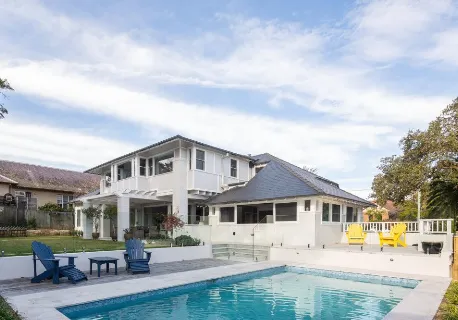
Concept: Adapting a beautiful family heritage home in a quiet street on a large site to suit the family’s lifestyle

Concept: Designing a new family home that maximises the views and introduces a sense of open space

Concept: A complex yet successful renovation of this stunning heritage home in a conservation area

Concept: A 1970s build transformed into a bright, open design maximising stunning harbour views

Concept: A complete rebuild of half the property over two levels, whilst also incorporating the property next door

Concept: A majestic holiday home that pushes the design envelop, blending sustainable materials and natural light


Concept: A major ground floor renovation of a large estate with a new three-car garage and 14 metre pool

© Copyright Playoust Churcher 2026 All rights reserved. Website by Brilliant Digital.
We live and work on the lands of the Gadigal people of the Eora nation. We acknowledge their traditional custodianship of the land and pay respects to their Elders past, present and emerging.