
Freshwater
Concept: Creating a light, airy, character-filled three-level Hampton-style beach home on a small corner site
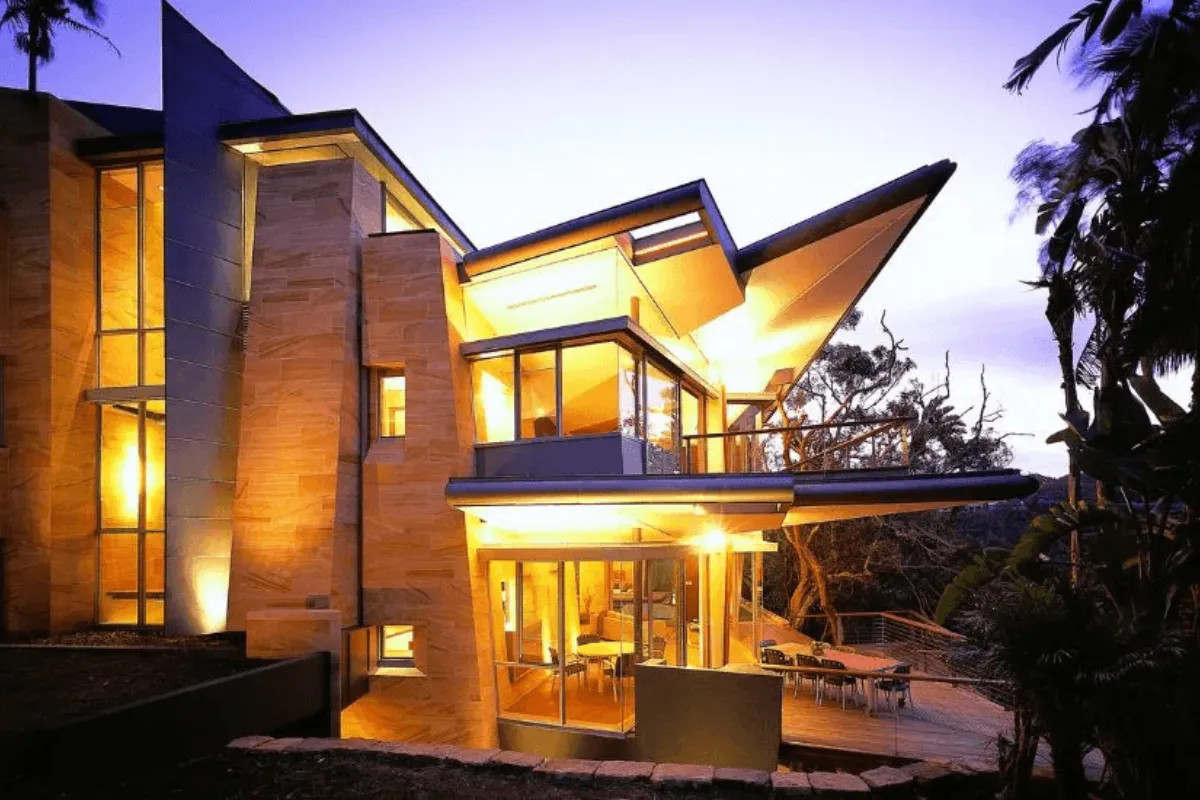
A modern vs a heritage home design, which is right for your North Shore Sydney home? If you’ve lived in the North Shore region of Sydney for any period of time, it is hard not to notice the rich mix of architectural styles. From Federation and Victorian homes to contemporary new builds. New and current homeowners in the starting process of building or renovating a residential property are often faced with a key question early in their project:
Should you embrace a modern design, or work within a heritage framework?
The answer depends on your property, your goals, and the level of transformation you’re seeking. Understanding the differences between modern and heritage home design can help you make a more informed decision before engaging an architect.
Heritage homes are an important part of Sydney’s North Shore architectural identity. These homes are often protected by local council regulations, which aim to preserve their historical and aesthetic value. Designing within a heritage context requires a careful balance. Rather than starting from scratch, the focus is on preserving the home’s character while adapting it for contemporary living. This might involve:
Heritage projects tend to be more complex due to approval requirements and site constraints. However, they offer a unique opportunity to create a home that combines architectural history with modern functionality.
“Designing within a heritage context is about preserving character while adapting the home for contemporary living.”
Modern home design, by contrast, is typically less constrained and allows for greater creative freedom. It is often associated with clean lines, open-plan layouts and a strong connection between indoor and outdoor spaces. On Sydney’s North Shore, modern homes are frequently designed to respond to lifestyle, climate and site conditions. Key characteristics often include:
For homeowners seeking a completely new build or a bold transformation, modern design offers the flexibility to tailor the home entirely to their needs.
“Modern home design offers the freedom to tailor a space entirely to lifestyle, site and future needs.”
One of the biggest differences between heritage and modern design is the planning process. Heritage projects typically require:
Heritage projects, while more constrained, challenge architects to work creatively within existing conditions, often resulting in highly considered and unique outcomes.
Modern homes, particularly on non-heritage sites, often have a simpler pathway, enabling greater efficiency in the early stages. They allow architects to explore a wider range of forms, materials and spatial arrangements. Both approaches can involve significant investment, but the drivers differ. Heritage projects may incur additional costs due to:
Restoration work
Specialist materials and craftsmanship
Complex construction requirements
Modern builds, while potentially more predictable, can still vary depending on scale, site conditions and level of detail.
While modern homes are often designed around contemporary living, with open layouts and flexible spaces that suit evolving lifestyles, heritage homes can also achieve this, but it typically requires thoughtful design interventions, such as rear extensions or internal reconfiguration to improve flow and usability. A common approach is to retain and restore the heritage elements at the front of the property, while introducing a modern extension at the rear. This creates a clear distinction between old and new, allowing each to complement the other.
The right direction will depend on several factors, including:
Both modern and heritage home design offer distinct advantages, and neither approach is inherently better than the other. The most successful projects are those that respond thoughtfully to their context, brief and constraints.
Whether you are restoring a period home or planning a contemporary residence, the goal is the same: to create a well-designed space that enhances your daily life. Engaging an architect early in the process can help you clarify these considerations and identify the most appropriate strategy for your site.
Playoust Churcher Architects is Sydney’s North Shore’s most respected architectural firm. We have been integral to the area’s architectural fabric, designing and supervising the construction of many of its most esteemed renovation and new-build projects.
Our team is well-positioned to maximise your financial return and is committed to delivering value that minimises risk and ensures projects stay on schedule and within budget.
Contact our team for a comprehensive consultation on your project.
Modern design focuses on flexibility, open-plan living, and contemporary materials, while heritage design prioritises the preservation of original character and architectural features. Heritage projects work within existing structures, whereas modern homes often start from a blank slate.
A heritage approach is typically required if your property is heritage-listed or located within a conservation area. Local council regulations will guide what can be altered or added.
Modern homes often feature open, flexible layouts, large windows, and strong indoor–outdoor connections. They also tend to use minimalist materials and maximise natural light.
Yes, heritage projects usually involve stricter planning controls, detailed approvals and longer timelines. They also require careful design to balance preservation with modern functionality.
Yes, a common approach is to restore the heritage façade while adding a modern extension at the rear. This creates a clear contrast while allowing both styles to complement each other.
Key considerations include your property’s planning constraints, your budget, timeline and how you want the home to function. The level of transformation you’re seeking also plays a major role.
Playoust Churcher Architects engage early to understand your site, goals and constraints before developing a tailored design strategy. Their process focuses on minimising risk while delivering value and aligning with your budget and timeline.
They oversee both design and construction phases to maintain quality and consistency throughout the project. Their experience helps keep projects on schedule while maximising long-term value and outcomes.

Modern and heritage home designs differ primarily in their flexibility: modern designs allow creative freedom, while heritage designs require preservation.
Heritage projects often involve more complex approvals, longer timelines and specialised craftsmanship.
Modern homes prioritise open-plan living, natural light and strong indoor–outdoor connections.
A well-considered design can successfully combine heritage features with modern extensions to achieve the best of both approaches.
Managing Director & Nominated Architect
NSW Architect Registration No. 5924
With over 30 years of architectural experience, Brett Churcher leads Playoust Churcher Architects with a rare combination of design expertise and commercial insight. As a registered architect and Managing Director, Brett has played a pivotal role in delivering high-end single residential homes and boutique medium-density developments across Sydney’s North Shore and beyond.
Brett’s unique strength lies in his deep understanding of both architectural design and the Sydney property market. His valuation background enables him to align creative vision with practical feasibility, ensuring each project achieves both aesthetic excellence and financial viability.
At Playoust Churcher, Brett drives the studio’s growth, strategy, and leadership, while remaining closely connected to what matters most: the client. His ability to see the bigger picture from a client’s perspective and to guide projects seamlessly through the design process is at the heart of his role and reputation.

Reach out to Brett to explore how Playoust Churcher can bring it to life—with clarity, creativity and confidence.

Concept: Creating a light, airy, character-filled three-level Hampton-style beach home on a small corner site
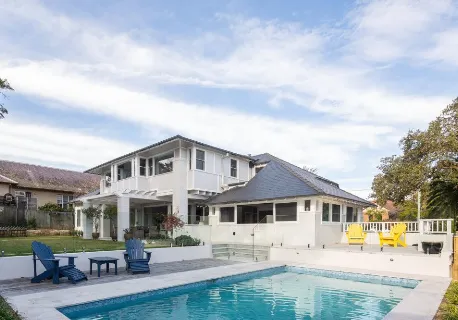
Concept: Adapting a beautiful family heritage home in a quiet street on a large site to suit the family’s lifestyle

Concept: Designing a new family home that maximises the views and introduces a sense of open space

Concept: A complex yet successful renovation of this stunning heritage home in a conservation area

Concept: A 1970s build transformed into a bright, open design maximising stunning harbour views

Concept: A complete rebuild of half the property over two levels, whilst also incorporating the property next door

Concept: A majestic holiday home that pushes the design envelop, blending sustainable materials and natural light


Concept: A major ground floor renovation of a large estate with a new three-car garage and 14 metre pool

© Copyright Playoust Churcher 2026 All rights reserved. Website by Brilliant Digital.
We live and work on the lands of the Gadigal people of the Eora nation. We acknowledge their traditional custodianship of the land and pay respects to their Elders past, present and emerging.