
Freshwater
Concept: Creating a light, airy, character-filled three-level Hampton-style beach home on a small corner site

For decades, Playoust Churcher Architects has recognised the delicate balance between preserving the rich history of heritage homes and integrating modern design to suit contemporary lifestyles. North Sydney has many heritage properties, each with its unique story, architecture, and charm. However, the challenge lies in meeting the needs of modern living while honouring the historical significance of these homes.
In this article, we explore how to blend contemporary design elements with the unique characteristics of North Sydney’s heritage properties. We highlight a successful renovation to show how this balance can be achieved.
Heritage homes are a testament to past architectural styles, from Victorian and Federation-era houses to iconic California Bungalows. Each property holds historical significance, and for many homeowners, these structures represent more than just a place to live; they are a link to Sydney’s cultural history.
However, preserving the historical essence of these homes doesn’t mean sacrificing functionality. Many of our clients seek to retain the charm and character of their heritage homes while upgrading them for comfort, sustainability, and modern living.
The key to a successful heritage home renovation is respecting the original structure while introducing contemporary features that enhance the home’s liveability. This requires a thoughtful approach, ensuring that new additions or updates are harmonious with the existing design.
Our design philosophy is to approach each project with a deep respect for the home’s historical fabric. We work closely with heritage specialists and local councils to ensure that any modifications align with the regulatory requirements of heritage conservation while addressing the client’s vision.
Using innovative design solutions, we can merge the old with the new, resulting in functional and aesthetically cohesive spaces. Whether integrating open-plan living areas, installing energy-efficient systems, or updating kitchens and bathrooms without losing the home’s character, we believe that modern conveniences should complement, not overshadow, the historical beauty of the property.

We take pride in breathing new life into heritage estates, and one of our standout projects was a significant renovation of a prestigious property on Arnold Street in Killara. This extensive transformation involved a complete re-plan of the ground floor, significant updates to the first floor, and the addition of modern amenities, all while preserving the estate’s grandeur and historical charm.
Our approach to this project was rooted in collaboration, bringing together the skills of leading experts in architecture, interiors, and landscape design. Together with Justine Hugh-Jones on interiors and Peter Fudge Landscapers, we created a regal yet inviting atmosphere that elevated the estate into a luxurious, modern sanctuary.
The original layout of the ground floor, typical of many heritage homes, felt compartmentalised and closed off. Our design team saw an opportunity to enhance the flow of the space by reconfiguring the floor plan into a more open, connected environment while maintaining the stately feel of the property.
We widened entryways and incorporated more oversized windows and doors to create open, warm spaces easily filled with natural light. High-quality materials like warm timbers and neutral tones enhanced the light-filled ambiance while maintaining an elegant aesthetic. The new design allowed the ground floor to open toward the outdoors, seamlessly connecting the interior living spaces with the estate’s beautifully landscaped gardens.
A key feature of this redesign was the creation of multiple sitting areas around the estate; each strategically placed to take full advantage of the lush surroundings. These outdoor retreats invite residents and guests alike to relax and enjoy the serene environment, providing a variety of spaces for contemplation and social gatherings.
The first floor of the estate underwent an extensive renovation to enhance its functionality and aesthetic appeal. The bedrooms and living spaces were redesigned to offer a more luxurious experience for the residents. We introduced contemporary finishes that complemented the estate’s historical elements, ensuring the renovation respected the home’s heritage.
In addition to the internal renovations, several key modern additions were made to the estate. One of the project’s highlights was the construction of a new three-car garage, which provided both practical storage and enhanced the property’s overall aesthetic. The garage was designed to blend seamlessly with the estate’s architecture, ensuring the modern structure complements the home’s historical character.
Another standout feature was the creation of a new 14-metre pool. We designed the pool area to be both a functional space for recreation and a visual centerpiece, surrounded by beautifully crafted external terraces and landscaped gardens. The expansive outdoor area provided the homeowners with a versatile space for entertaining and relaxation, emphasising the connection between indoor and outdoor living.
The terraces were designed as extensions of the living spaces, offering panoramic views of the landscaped gardens. Peter Fudge Landscapers worked closely with us to design a garden that reflected the area’s natural beauty and complemented the home’s architectural features. The result was a harmonious balance between built form and nature, where outdoor sitting areas and terraces blend effortlessly with the estate’s lush greenery.
The Arnold Street project is a clear example of how our firm approaches heritage renovations with a balance of innovation and respect for tradition. By collaborating with some of Sydney’s top interior and landscape designers, we transformed this heritage estate into a luxurious residential property with historical charm and modern luxury.

Another essential aspect of heritage renovations is the opportunity to incorporate modern design elements that enhance the home’s functionality and aesthetics. For example, by using minimalist lines and neutral tones in extensions or renovations, we can subtly contrast with the ornate details of a heritage property, making both the old and new stand out in beautiful contrast.
Incorporating sustainable design principles is also becoming increasingly popular. Many heritage homes were built long before energy efficiency became a concern. We look for ways to integrate passive design strategies, such as improving insulation, maximising natural light, and ensuring cross-ventilation without compromising the home’s original architectural intent.
We’re passionate about preserving the integrity of North Sydney’s heritage homes while finding innovative ways to introduce modern design. We understand that each project requires a bespoke approach sensitive to the client’s needs and the property’s historical significance. Whether you’re looking to restore, renovate, or extend your heritage home, we believe that thoughtful design can breathe new life into these historic spaces, allowing them to stand proudly for generations.
For more information on how we can help you with your heritage home renovation, contact our team today to discuss your vision.
We invite you to view our case studies and to contact our team for a comprehensive consultation on your project.
These involve sensitive architectural interventions that respect historical features—like rooflines, façade materials, and window proportions—while introducing contemporary layouts, improved daylight, and sustainable upgrades that meet contemporary living standards.
Our approach retains key architectural elements and proportions while reconfiguring spaces to enhance functionality, light, and flow. We often use discreet additions or interior reworking to respect the original fabric and street presence.
Yes. Homes in areas like Ku-ring-gai, Willoughby, Mosman, and Wahroonga often fall under heritage conservation overlays that regulate changes to façades, materials, and site form. We manage heritage impact statements and council compliance from start to finish.
Absolutely. Interventions like thermal insulation, passive ventilation, corten steel shading, or high-performance glazing can significantly improve comfort and energy efficiency—while maintaining conservation principles.
Architects trained in heritage design understand the balance between old and new. We advise on councils’ expectations, coordinate expert consultants (heritage advisors, structural engineers), and deliver a design that enhances value while protecting heritage significance.
Begin with a site feasibility assessment to evaluate conservation status and architectural value. We’ll then develop sensitive design options and manage document preparation for council approval and construction coordination.

The firm emphasises a respectful approach that honours the architectural legacy of heritage homes (from Victorian to Federation-era and California Bungalow styles) while seamlessly introducing modern functionality and comfort.
Renovations are guided by the belief that contemporary features—like open-plan layouts or efficient kitchens and bathrooms—should enhance rather than overshadow the home’s character. This process is rooted in deep respect for the original structure.
The article highlights a transformative project where a heritage estate underwent a comprehensive ground-floor replan and first-floor enhancement,Anchored by collaborations with interior and landscape professionals.
Modern conveniences—including energy-efficient systems and open-plan living—are integrated in a way that supports both aesthetic continuity and contemporary lifestyle needs, demonstrating how historic beauty and modernity can coexist gracefully.
Managing Director & Nominated Architect
NSW Architect Registration No. 5924
With over 30 years of architectural experience, Brett Churcher leads Playoust Churcher Architects with a rare combination of design expertise and commercial insight. As a registered architect and Managing Director, Brett has played a pivotal role in delivering high-end single residential homes and boutique medium-density developments across Sydney’s North Shore and beyond.
Brett’s unique strength lies in his deep understanding of both architectural design and the Sydney property market. His valuation background enables him to align creative vision with practical feasibility, ensuring each project achieves both aesthetic excellence and financial viability.
At Playoust Churcher, Brett drives the studio’s growth, strategy, and leadership, while remaining closely connected to what matters most: the client. His ability to see the bigger picture from a client’s perspective and to guide projects seamlessly through the design process is at the heart of his role and reputation.

Reach out to Brett to explore how Playoust Churcher can bring it to life—with clarity, creativity and confidence.

Concept: Creating a light, airy, character-filled three-level Hampton-style beach home on a small corner site
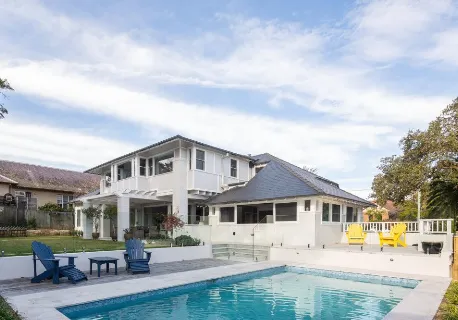
Concept: Adapting a beautiful family heritage home in a quiet street on a large site to suit the family’s lifestyle

Concept: Designing a new family home that maximises the views and introduces a sense of open space

Concept: A complex yet successful renovation of this stunning heritage home in a conservation area

Concept: A 1970s build transformed into a bright, open design maximising stunning harbour views

Concept: A complete rebuild of half the property over two levels, whilst also incorporating the property next door

Concept: A majestic holiday home that pushes the design envelop, blending sustainable materials and natural light


Concept: A major ground floor renovation of a large estate with a new three-car garage and 14 metre pool

© Copyright Playoust Churcher 2026 All rights reserved. Website by Brilliant Digital.
We live and work on the lands of the Gadigal people of the Eora nation. We acknowledge their traditional custodianship of the land and pay respects to their Elders past, present and emerging.