
Freshwater
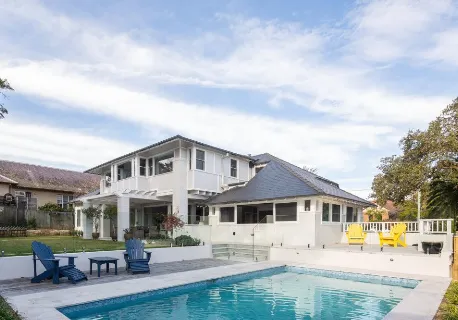
Concept: Creating a light, airy, character-filled three-level Hampton-style beach home on a small corner site

Construction is finally starting on your dream home – how exciting! Most clients think that once the construction phase starts then the builder will simply build what’s drawn and documented and there is little need for the architect.
However, the construction phase is but another phase in the overall design process, with many more disciplines involved such as consultants, builders, sub-contractors, certifiers etc. It is in this phase that design and project leadership is critical to ensure a smooth process.
Any good architect worth their salt will now hold your hand as you enter what may be unchartered territory for you… the construction phase. Here’s what to expect:

Investing in a good architect means having them right by your side throughout the construction process, not just the design phase. In fact, the architect’s involvement in the building phase means cost savings, a smooth process and the best imaginable result for all.
Another reality is that good builders actually prefer having architects around to lead the design process and consult with throughout the construction process.
While the architects couldn’t possibly include every last bit of detail required to successfully realise the concept in their designs, it helps the builder immensely to be able to pick up the phone or meet the architect to remove guesswork.
In short: your investment in a professional architectural service covers meaningful collaboration in the building phase.
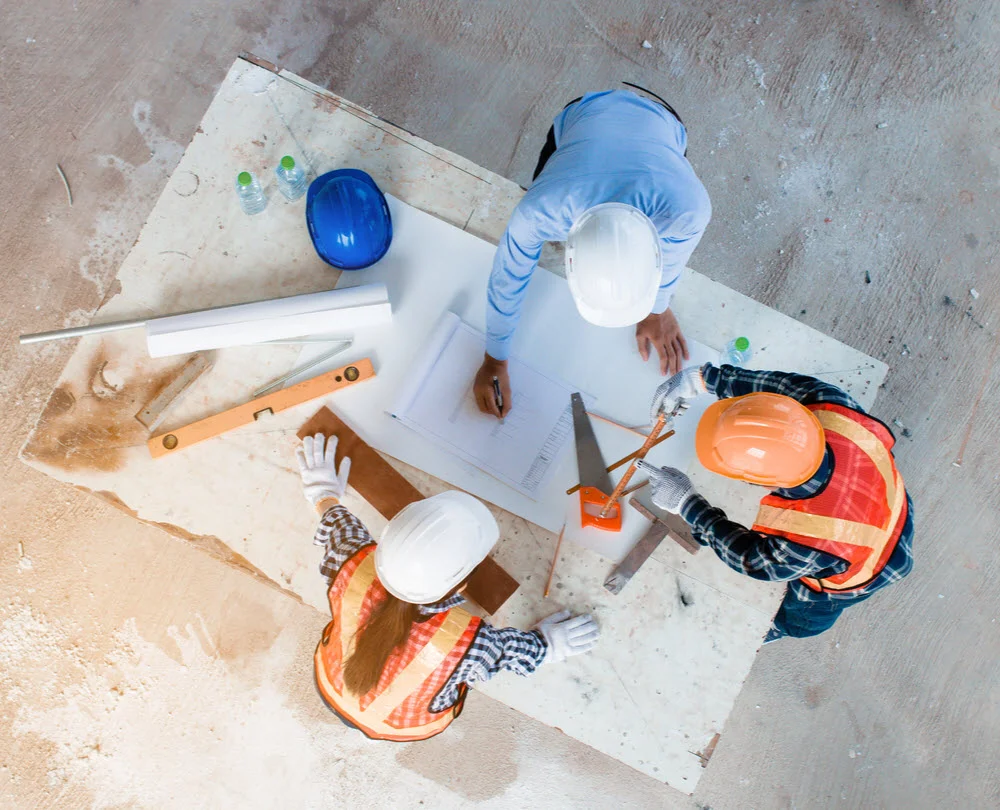
It is wise to enter into a pro forma building contract with the help of both your lawyer and architect.
It’s important that the building contract protects your legal interests – the lawyer takes care of this part – and it’s also consistent with the needs of the project; the architect makes sure of this.
Making sure that the contract is in line with the specifications of the working drawings comes down to the architect.
Inconsistencies in the building contract can be invisible to the untrained eye, which is why you need professionals by your side to ensure the contract covers every detail exactly as it should.
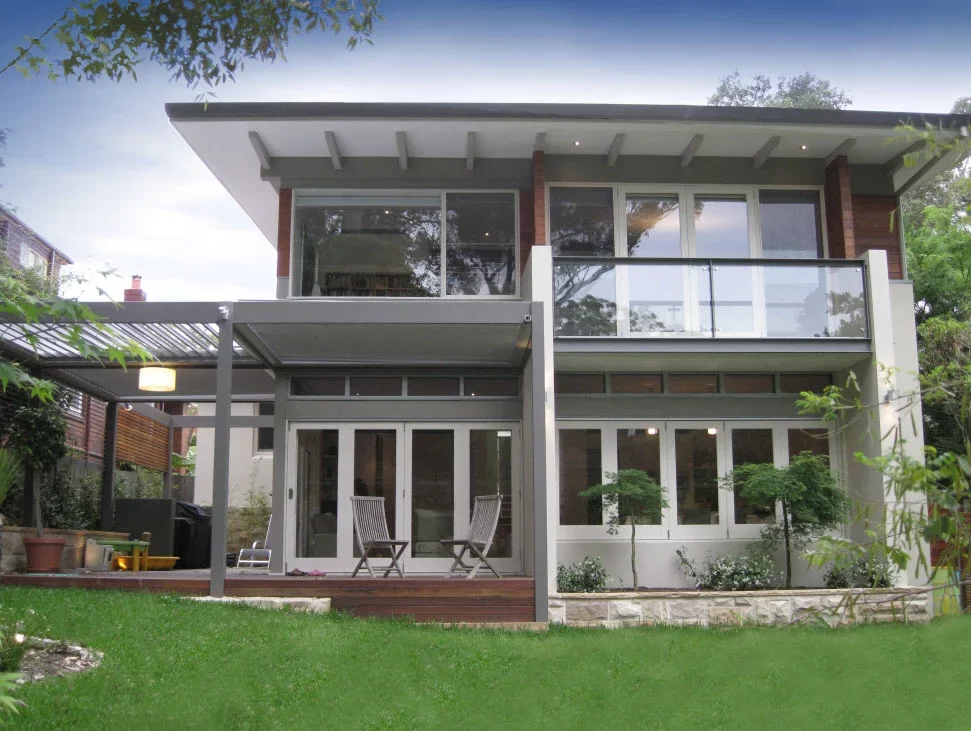
With working drawings, the architect essentially tells the contractor exactly what it is they need. They should be detailed, but not overcrowded. They should only contain the essential information to eliminate confusion.
The goal of the working drawings is to pin down everything you need to build the home and nothing you don’t.
They should cover items such as the standard of materials, the skills required, detailed construction information such as set-out dimensions, exact window and door locations and electrical layouts for lights, switches, air conditioning etc.
Working drawings can create more certainty about the building contract because they specify the details and quality of materials used.
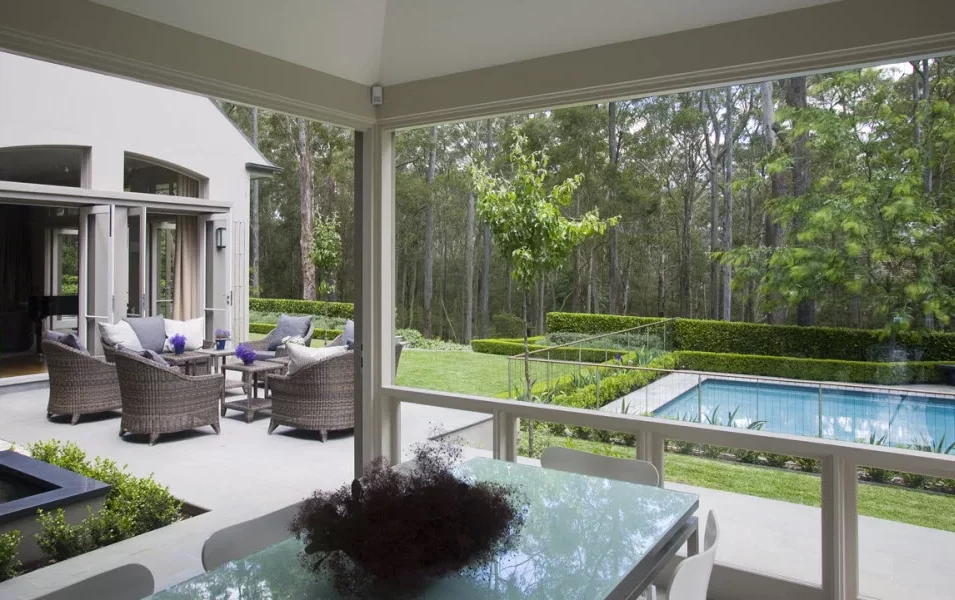
Finding the right builder is crucial for the success of your dream home. Your architect can bring together a panel of builders so you can select the right one for you.
Ideally, your architect must manage:
The choice of the builder will be up to you – because it is your home – but you will have your architect’s expertise to lean on to make that process a simple one.
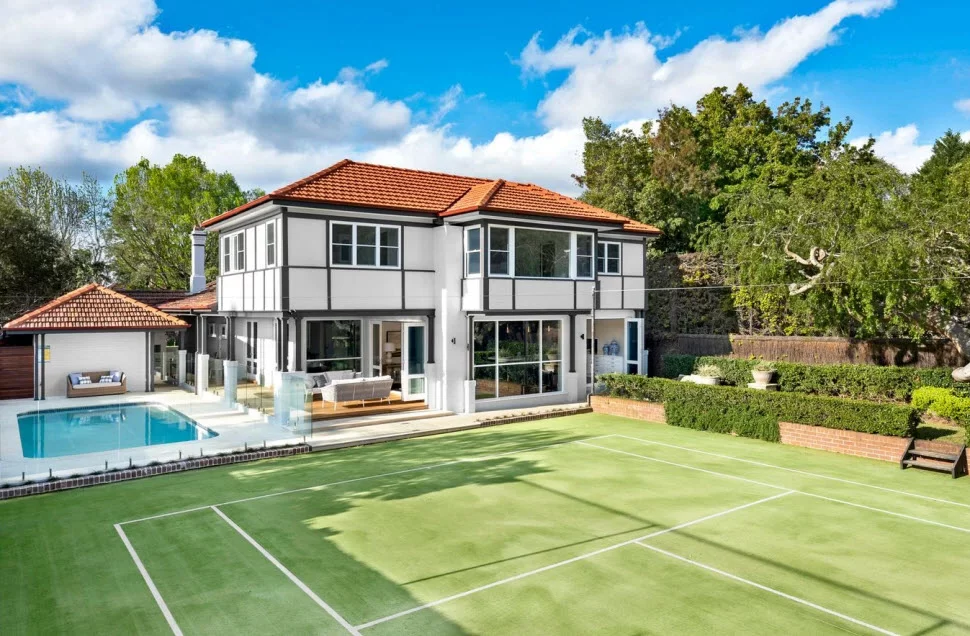
Do you remember the drawings you fell in love with at the beginning of your journey? It’s now the job of your architect to stay on top of every detail with the builders so you can rest assured that every element you’ve agreed upon – from architraves to lightning position – is built and installed correctly.
The architect visits the building site on a regular basis so you’ll have accurate progress updates. By being hands-on, your architect protects your interest by ensuring what’s in the contract and working drawings is delivered.
This is achieved via regular site meetings with a clear agenda and action plan for the builder and their team of sub-contractors or specialist trades, the architect and other consultants, and yourselves. Many clients are surprised by how much work is involved in this phase and also how many discussions are required throughout the build.
Being available to address any questions, concerns or ideas you might have during the construction phase is a critical part of the architect’s job.

We cannot stress enough the importance of partnering with an architect who sees you through the process – one who is up to date with the latest legislation and who can problem-solve even before you know the problem exists.
At Playoust Churcher, our team of architects and interior designers truly listen to your needs.
Our architectural process for a complete home design and build has been tested time and time again. From the first phone call to the champagne celebration when you get your new keys and beyond – we’re beside you.
Call us today for a no-obligation conversation – getting you one step closer to your dream home.
The construction phase typically begins once forms are approved. It includes builder tendering, site setup, milestone inspections (e.g. footing, frame, lock-up), material coordination, and completion walkthroughs—guided by the architectural documentation and quality assurances.
Construction timelines vary based on project size and complexity. Standard home builds often range from 6 to 12 months—while heritage renovations or dual-occupancy developments may extend beyond 12 months due to specialist detailing or council conditions.
Playoust Churcher assists with site inspections, design clarifications, tender coordination, colour and finish selection guidance, variation approval management, and ensuring that the construction aligns precisely with the approved design and quality expectations.
Yes. We can offer support during tendering—evaluating builder packages, clarifying contract conditions, and advising on potential oversights or variations to protect design integrity and client interests.
During construction, minor changes may be requested by the client or builder. Playoust Churcher helps assess these in terms of design intent, cost implications, and compliance—then assists in documenting and approving variations before work proceeds.
Unforeseen site conditions—like soil issues or hidden heritage elements—may arise. Our team coordinates consultant reports, design adjustments, and cost updates as needed to address these factors while preserving the build outcome.
Clients receive regular updates from both builder and architect. Playoust Churcher provides site inspection reports, schedule progress mapping, and access to communication logs to ensure transparency throughout the project.
Begin by arranging a construction coordination consultation. We’ll discuss the level of involvement you require—from check inspections to full construction administration—and tailor support packages accordingly.

Construction isn’t a separate phase—it’s an integral part of the architectural journey. Good architects remain involved throughout, helping to avoid misinterpretation.
Your architect ensures your building contract aligns precisely with the working drawings, safeguarding both your vision and legal interests.
Architects create detailed yet focused working drawings that clearly communicate material standards, dimensions, electrical layouts, and fixture.
Builders often appreciate having an architect on hand. These professionals help clarify design intent—reducing guesswork and making construction smoother and more accurate.
Managing Director & Nominated Architect
NSW Architect Registration No. 5924
With over 30 years of architectural experience, Brett Churcher leads Playoust Churcher Architects with a rare combination of design expertise and commercial insight. As a registered architect and Managing Director, Brett has played a pivotal role in delivering high-end single residential homes and boutique medium-density developments across Sydney’s North Shore and beyond.
Brett’s unique strength lies in his deep understanding of both architectural design and the Sydney property market. His valuation background enables him to align creative vision with practical feasibility, ensuring each project achieves both aesthetic excellence and financial viability.
At Playoust Churcher, Brett drives the studio’s growth, strategy, and leadership, while remaining closely connected to what matters most: the client. His ability to see the bigger picture from a client’s perspective and to guide projects seamlessly through the design process is at the heart of his role and reputation.

Reach out to Brett to explore how Playoust Churcher can bring it to life—with clarity, creativity and confidence.

Concept: Creating a light, airy, character-filled three-level Hampton-style beach home on a small corner site
Concept: Adapting a beautiful family heritage home in a quiet street on a large site to suit the family’s lifestyle

Concept: Designing a new family home that maximises the views and introduces a sense of open space

Concept: A complex yet successful renovation of this stunning heritage home in a conservation area

Concept: A 1970s build transformed into a bright, open design maximising stunning harbour views

Concept: A complete rebuild of half the property over two levels, whilst also incorporating the property next door

Concept: A majestic holiday home that pushes the design envelop, blending sustainable materials and natural light


Concept: A major ground floor renovation of a large estate with a new three-car garage and 14 metre pool

© Copyright Playoust Churcher 2026 All rights reserved. Website by Brilliant Digital.
We live and work on the lands of the Gadigal people of the Eora nation. We acknowledge their traditional custodianship of the land and pay respects to their Elders past, present and emerging.