
Freshwater
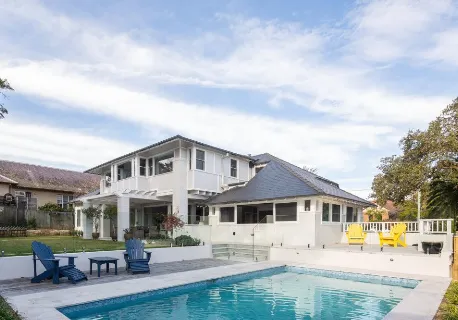
Concept: Creating a light, airy, character-filled three-level Hampton-style beach home on a small corner site
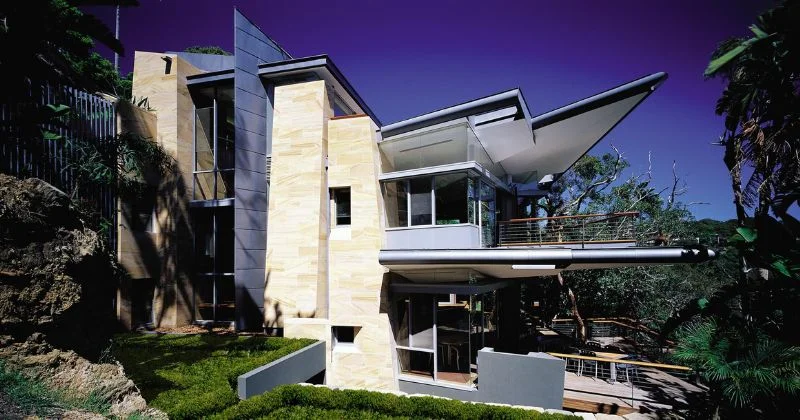
Architecture that has a minimal effect on the environment is what sustainable architecture is. It is homes or buildings designed to reduce humanity’s impact on the local environment.
Sustainable house design is not just about the visual image and building plans. It considers every part of the planning and construction process – from the materials used to the orientation of the home and the available water supply.
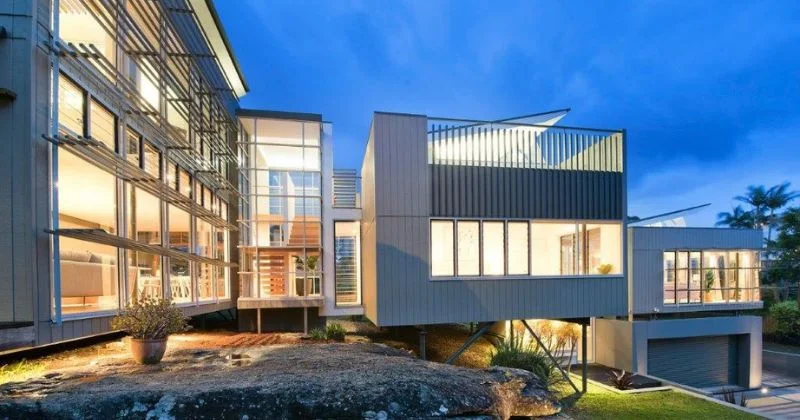
Sustainable architecture must follow specific design principles. We have unpacked each of these principles to help you plan your sustainable new build or to help understand how you can renovate an existing property or building to be more environmentally sustainable.
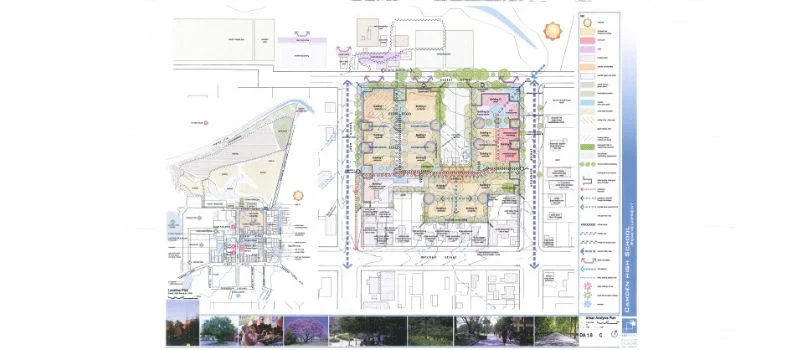
When selecting a site to build on, consider the environment surrounding it and the ecosystems your build may affect. Geographic factors can also offer sustainable advantages, such as the area’s natural resources. When planning the orientation of your home, be sure to maximise the use of natural energy provided by the sun.
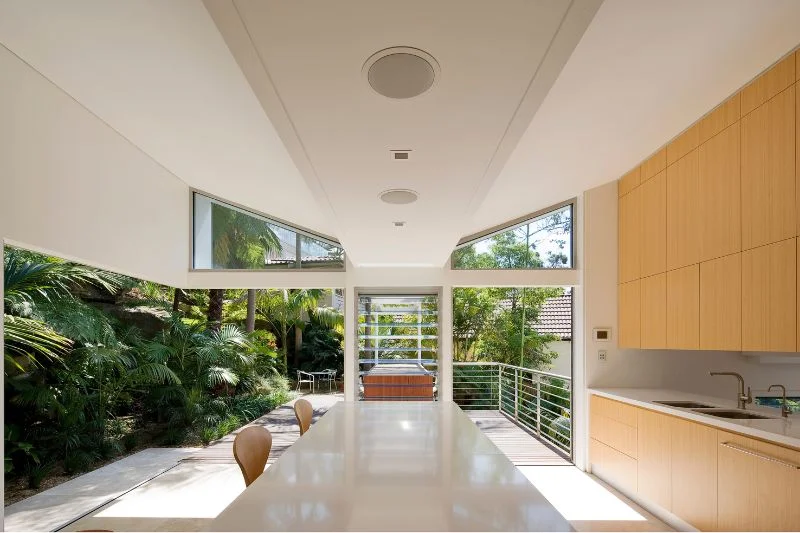
Non-renewable resources are also known as fossil fuels. As the latter name suggests, they come from the earth and originate from plant and animal matter combined with carbon and hydrogen that existed many years ago and cannot be replenished. The three primary non-renewable resources are coal, oil and gas. These resources release greenhouse gases which negatively contribute to global warming, damage the environment by the way they’re mined and cost countries more than money. Wars have erupted and continue to erupt because of disagreements over non-renewable resources.
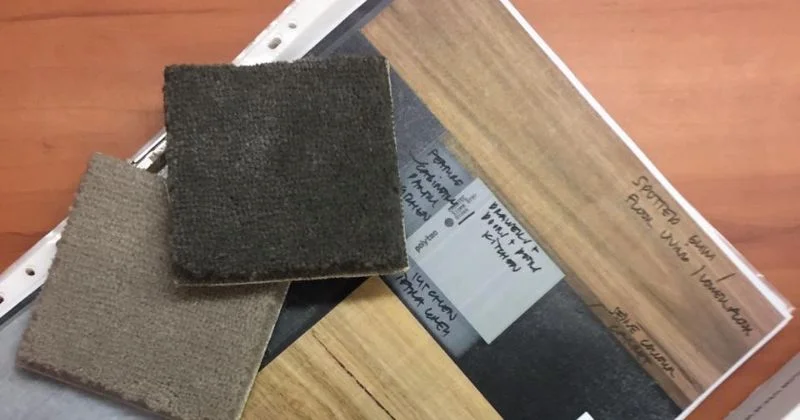
Environmentally friendly materials are essential for sustainable architecture. What makes a product environmentally friendly are products made with minimal effect on the environment throughout the production process and product lifecycle. Today, environmentally conscious products are available for everything from building materials to dishwashing liquid, so when discussing your house design with your architect, be sure to choose sustainable materials.
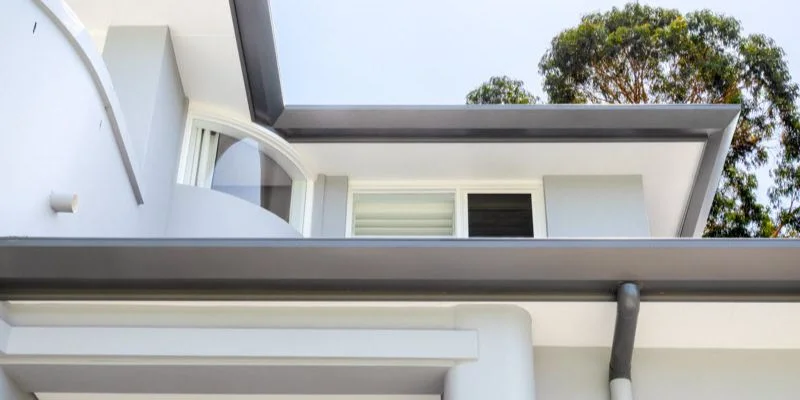
Rainwater harvesting was only standardised in Australia in the late 90s and early 2000s. Conserving water saves energy, so using harvested water for household use avoids needing to filter, heat or pump water throughout the home, reducing the carbon footprint. Using less water also helps maintain water levels in natural ecosystems too.
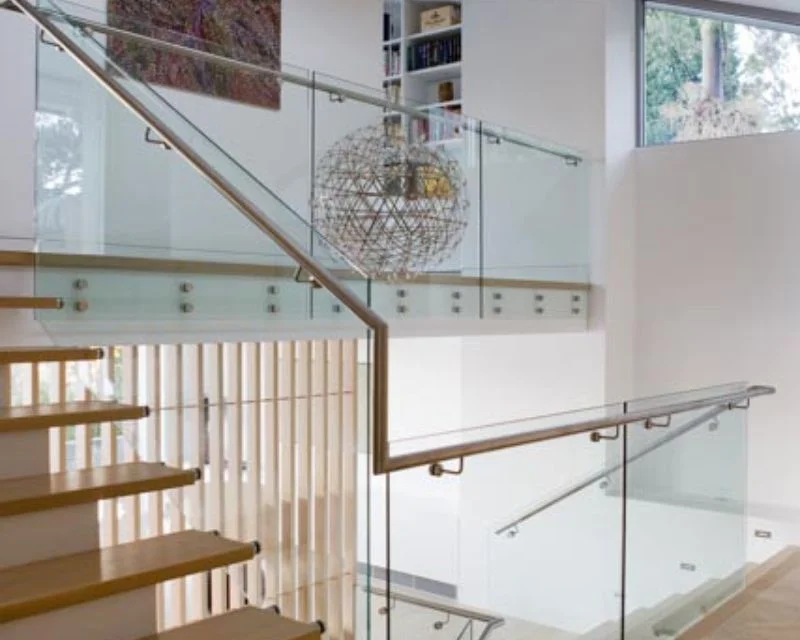
Fortunately, with the advanced technology available today, installing sustainability tools in the home, especially as a new build, is not only a good idea but is also encouraged by the government with financial rebate benefits.
Installing devices or systems optimising energy saving even after purchasing your home has become more accessible and affordable. Lighting, thermal conditions and ergonomics within the home all define the interior environmental quality of a home. Air quality is also a significant component. According to the CSIRO and the Australian Department of Agriculture, Water and the Environment (AWE), poor indoor air quality in Australia costs around A$12 billion per year.
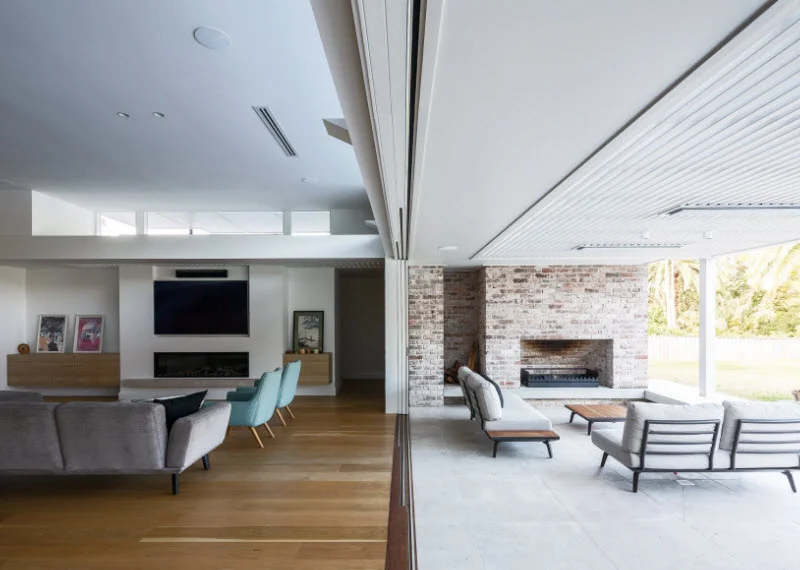
Building or renovating a sustainable home will be deemed ineffective if not maintained with sustainable products and solutions on an ongoing basis. Regular system tests and proactive behavioural changes that reduce carbon emissions and improve a home’s sustainability score are vital in a home that’s considered ‘eco-friendly’.
To discuss your sustainable home build or renovation, contact us and find out more about what we do to help ensure your home is kind to the environment.
Sustainable architecture minimizes environmental impact by focusing on energy and material efficiency, water management, building orientation, and the use of low-carbon or recycled materials. It involves a holistic approach across design and construction to create buildings aligned with ecological and human health goals Playoust Churcher -+8Playoust
Sydney’s climate and coastal context make environmental resilience essential. Well-designed homes reduce energy consumption, improve comfort, and enhance durability—while offering long-term value in line with local sustainability standards and planning controls.
Our 6‑stage process integrates sustainability from feasibility through to design and construction. This includes passive solar orientation, sustainable material selection, water efficiency, and collaboration with consultants to deliver energy-efficient and eco-conscious buildings
Features may include natural ventilation strategies, high-performance glazing, recycled or certified timber, rainwater harvesting, solar power integration, and thermal mass handling. Each selection is tailored to site, planning guidelines, and client objectives.
While upfront costs may increase slightly, sustainable design creates long-term value by reducing energy and water usage, improving comfort, and supporting future resale. Efficient and durable design often yields a return many times greater over a building’s lifecycle.
Begin with a feasibility consultation. We’ll assess your site’s orientation, overlays (e.g. bushfire, coastal), and sustainability potential. We’ll then propose design concepts focused on performance, aesthetics, and compliance.

Well-designed sustainability relies on comprehensive collaboration—from architects to engineers to the client—ensuring features like energy systems, water sensitivity.
Design begins with understanding your site—its landscape, ecosystem, and solar access—to ensure the building is not just sustainable, but also contextually responsive and sensitive to its natural surroundings.
The sustainable approach leans toward materials with minimal environmental footprints: think responsibly sourced, low-impact, renewable, or recycled products. These decisions support both ecological responsibility and indoor health
Incorporating passive strategies—like optimizing natural light, solar gain, airflow, and shading—not only enhances occupant comfort but significantly cuts energy demands and operational costs.
Managing Director & Nominated Architect
NSW Architect Registration No. 5924
With over 30 years of architectural experience, Brett Churcher leads Playoust Churcher Architects with a rare combination of design expertise and commercial insight. As a registered architect and Managing Director, Brett has played a pivotal role in delivering high-end single residential homes and boutique medium-density developments across Sydney’s North Shore and beyond.
Brett’s unique strength lies in his deep understanding of both architectural design and the Sydney property market. His valuation background enables him to align creative vision with practical feasibility, ensuring each project achieves both aesthetic excellence and financial viability.
At Playoust Churcher, Brett drives the studio’s growth, strategy, and leadership, while remaining closely connected to what matters most: the client. His ability to see the bigger picture from a client’s perspective and to guide projects seamlessly through the design process is at the heart of his role and reputation.

Reach out to Brett to explore how Playoust Churcher can bring it to life—with clarity, creativity and confidence.

Concept: Creating a light, airy, character-filled three-level Hampton-style beach home on a small corner site
Concept: Adapting a beautiful family heritage home in a quiet street on a large site to suit the family’s lifestyle

Concept: Designing a new family home that maximises the views and introduces a sense of open space

Concept: A complex yet successful renovation of this stunning heritage home in a conservation area

Concept: A 1970s build transformed into a bright, open design maximising stunning harbour views

Concept: A complete rebuild of half the property over two levels, whilst also incorporating the property next door

Concept: A majestic holiday home that pushes the design envelop, blending sustainable materials and natural light


Concept: A major ground floor renovation of a large estate with a new three-car garage and 14 metre pool

© Copyright Playoust Churcher 2026 All rights reserved. Website by Brilliant Digital.
We live and work on the lands of the Gadigal people of the Eora nation. We acknowledge their traditional custodianship of the land and pay respects to their Elders past, present and emerging.