
Freshwater
Concept: Creating a light, airy, character-filled three-level Hampton-style beach home on a small corner site
SEPP Senior developments are an increasingly attractive development opportunity. If you have the right block – or blocks – of land in the right location, you could have a solid investment on your hands.
Part of the reason why boutique senior developments are so popular is because the standard residential zoning controls don’t strictly apply. This means that in an R2 zone you can still build a multi residential development under the State Environment Planning Policy (NSW).
But you still need to go through the council DA process… and this isn’t always straightforward.
As the Sydney SEPP Senior specialists, we are here to help you navigate the DA process to get the best outcome for your development.

One of the biggest challenges to address in the design of a SEPP Senior development is how well the design blends in with the surrounding homes in the street. If you don’t address this in the design concept, it will become a hurdle in the DA process.
Playoust Churcher Director Luke Playoust has been designing boutique senior developments for more than a decade.
“A significant challenge in the process of designing a SEPP Senior development is putting the design into the street context,” he explains. “The patterning is subjective, rather than numerical based measures like landscaping and height limits.
Council focuses on ensuring the design blends in with the surroundings. In the case of a development over two blocks, the street facade and the massing need to look like two houses rather than one big block of units. Essentially, the bulk of the building still needs to look domestic.”
The floor space ratio (FSR) under the SEPP allows you to build more than you could for a house, so the massing is bigger. On top of that, you may then have a basement carpark, which adds to the bulk.
The challenge is that this is a discretionary measure rather than prescriptive. Your architect needs to have an awareness of, and sensitivity to, council preferences.
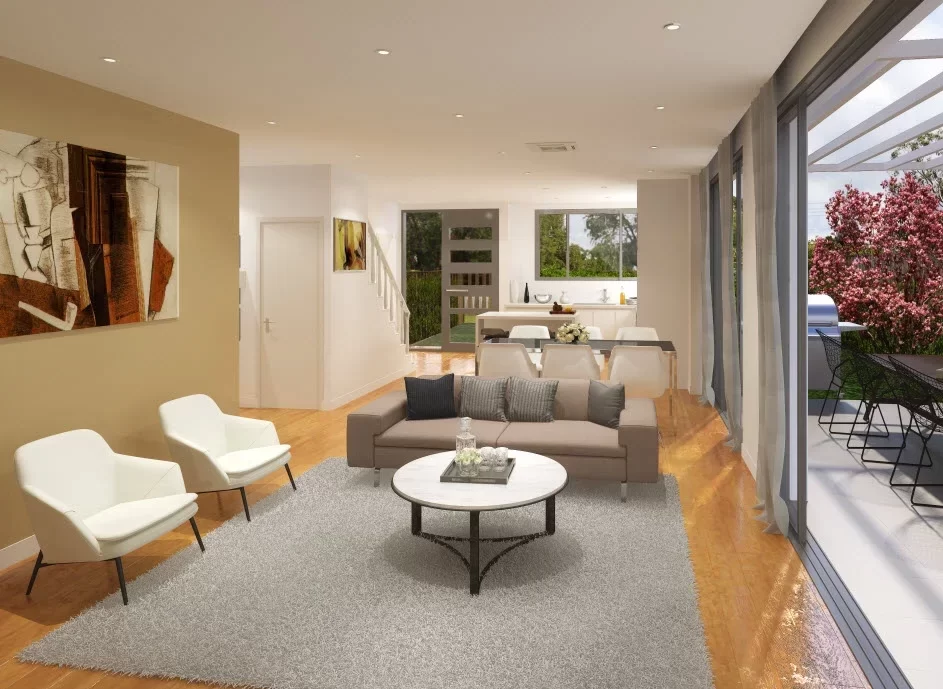
SEPP Senior products are a downsizer product. People are looking for spacious dwellings with either courtyard gardens or balconies and easy access from the street and from the carpark.
There is balance that we must strike as architects to design for the wants and needs of the market… while also meeting the functional requirements of the development that will be considered in the DA approval process.
“SEPP designs need to be adaptable for disability access and use, which makes them slightly different to normal unit blocks or townhouse complexes,” explains Luke.
“At every stage, we are balancing the aesthetics and design elements with the functional requirements to meet the policy controls. We don’t just create a beautiful design and hope we can get it past council. We follow a proven strategic method from concept through to completion.”
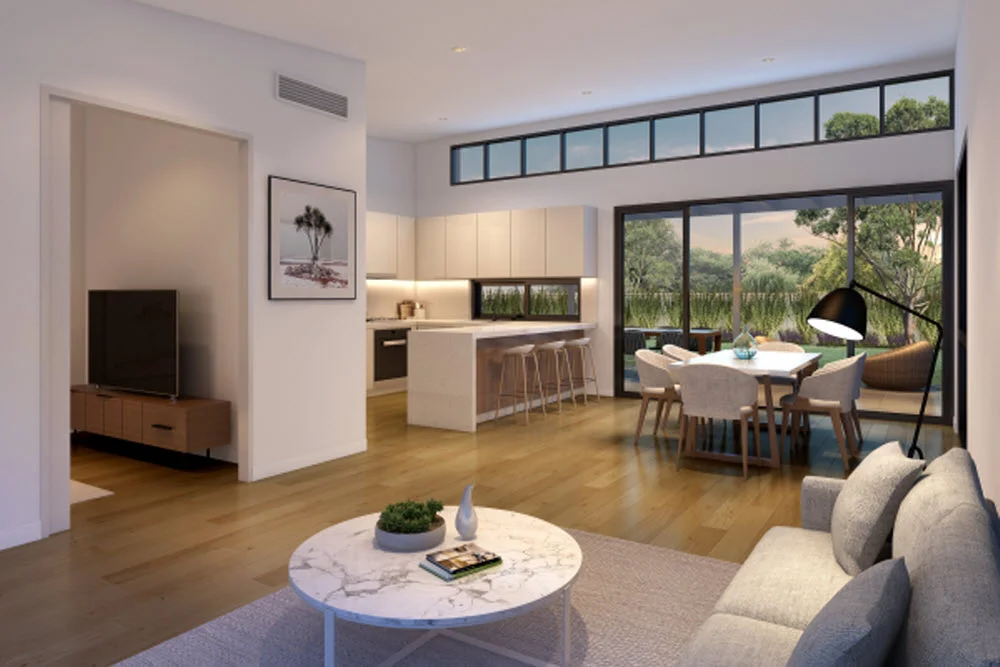
At Playoust Churcher, we don’t take any chances. In the majority of cases, we will arrange a pre-DA meeting with council to flush out any basic issues with the concept and design to minimise our redrawing.
“We work with the council planners to get the context right,” says Luke. “You can meet all the numerical controls, but if council isn’t on board with the aesthetics of the development, then you can still run into trouble.
It all starts with a thorough site analysis. We need to bear in mind the neighbouring housing and try to minimise the impact of the proposed development.”
It’s not a simple case of ticking boxes and sailing on to DA approval. Within council there are a number of departments that need to be satisfied with the development. Council considers the landscaping, engineering, management of stormwater access, garbage waste and vehicular traffic as well as both strategic and site planning.
“To complicate matters further, different councils have slightly different requirements and a different take on how the controls work. Those differences also extend to how a council considers the aesthetic view and the relationship within the streetscape.
We understand these idiosyncrasies between councils and factor that into our design. The pre-DA meeting is a fail-safe to keep our process running as smoothly as possible.”
If you would like to explore turning your block of land into a SEPP Senior development, you’ve come to the right place. Our experienced architects can work with you to assess the feasibility of your project. From there we’ll step you through the entire process from beginning to end.
Contact us to discuss your project with our team of SEPP Senior specialists.
The primary architectural hurdle is ensuring the development blends seamlessly with surrounding homes. If it feels too bulky or disconnected, councils can push back. Successful designs often present the façade as two homes instead of a single monolithic block.
The Housing SEPP (2021) replaced the old Seniors SEPP, streamlining rules for senior housing—like expanding allowable zoning (including R2 low-density land) and updating eligibility criteria.
The 2023 Seniors Housing Design Guide must now be considered for DA approvals. It covers design principles such as streetscape context, solar access, neighbour amenity, accessibility, and climate response.
Where seniors housing adjoins urban land, an SCC is required before lodging a development application (DA). It ensures the proposal is suitable, addresses location-specific considerations, and aligns with policy intent.
Yes. For example, the policy now allows independent living units on R2 low-density land, reversing a previous restriction.

SEPP Senior developments offer compelling opportunities in R2 zones by enabling multi-residential projects outside standard zoning constraints—turning well-located blocks into valuable property investments.
Because SEPP encourages larger build envelopes, architects must design facades and massing that appear domestic—especially when spanning two blocks—to ensure council approval and seamless integration into the street context.
These downsizer-style projects demand thoughtful blends of spacious courtyards, accessible entry, and adaptable layouts (e.g., disability access), balancing aesthetic appeal with regulatory and functional requirements.
Early collaboration with council via pre-DA meetings—paired with deep understanding of local planning nuances—helps detect and resolve site-specific risks (like traffic, stormwater, or aesthetics) before formal application, ensuring a smoother approval process.
Managing Director & Nominated Architect
NSW Architect Registration No. 5924
With over 30 years of architectural experience, Brett Churcher leads Playoust Churcher Architects with a rare combination of design expertise and commercial insight. As a registered architect and Managing Director, Brett has played a pivotal role in delivering high-end single residential homes and boutique medium-density developments across Sydney’s North Shore and beyond.
Brett’s unique strength lies in his deep understanding of both architectural design and the Sydney property market. His valuation background enables him to align creative vision with practical feasibility, ensuring each project achieves both aesthetic excellence and financial viability.
At Playoust Churcher, Brett drives the studio’s growth, strategy, and leadership, while remaining closely connected to what matters most: the client. His ability to see the bigger picture from a client’s perspective and to guide projects seamlessly through the design process is at the heart of his role and reputation.

Reach out to Brett to explore how Playoust Churcher can bring it to life—with clarity, creativity and confidence.

Concept: Creating a light, airy, character-filled three-level Hampton-style beach home on a small corner site
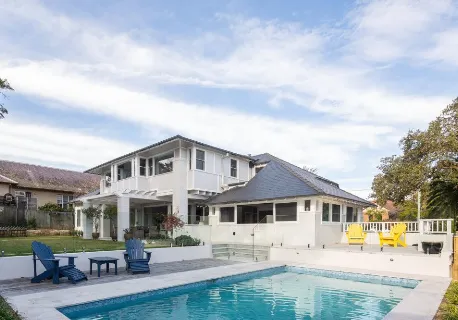
Concept: Adapting a beautiful family heritage home in a quiet street on a large site to suit the family’s lifestyle

Concept: Designing a new family home that maximises the views and introduces a sense of open space

Concept: A complex yet successful renovation of this stunning heritage home in a conservation area

Concept: A 1970s build transformed into a bright, open design maximising stunning harbour views

Concept: A complete rebuild of half the property over two levels, whilst also incorporating the property next door

Concept: A majestic holiday home that pushes the design envelop, blending sustainable materials and natural light


Concept: A major ground floor renovation of a large estate with a new three-car garage and 14 metre pool

© Copyright Playoust Churcher 2026 All rights reserved. Website by Brilliant Digital.
We live and work on the lands of the Gadigal people of the Eora nation. We acknowledge their traditional custodianship of the land and pay respects to their Elders past, present and emerging.