
Freshwater
Concept: Creating a light, airy, character-filled three-level Hampton-style beach home on a small corner site

Making sure your house is adaptable is not only common sense, but it’s a solid foundation for a savvy financial investment.
Have a good think on whether your home design is able to cater for challenges it may face in the future. Ask yourself whether your home is designed to be enjoyable as well as functional to live in long term.
Avoid short-sightedness by working closely with your trusted architect when future proofing your home.
The best time to future-proof your home is exactly now – before building starts.
We’ve rounded up key things to keep in mind when designing your home for the future.

Although it’s not always easy, taking some time to really think about you and your family’s future is a key element in designing your home.
And we’re not only talking about general life goals and future prospects for you and your children – we’re talking about practical aspects of your home design that will make it more desirable and functional in the long run.
Future proofing your home is exactly that. Homes that are not designed to stand the technological test of time are unfortunately destined to lose value and become far less desirable to your future self, or to prospective buyers.
Also referred to as ‘future functionality’ or ‘intergenerational living’, the idea of setting your home up for future use is more than just an idealistic concept – particularly with the high costs associated with moving or undergoing building renovations.
At Playoust Churcher Architects, we work closely with our clients to ensure that their home design is adaptable to ensure comfortable living for generations to come.

Energy efficiency is a very broad topic, ranging from implementing passive design principles to specifying the type of insulation and appliances used in the home.
A well designed architectural home will focus on passive solar design principles allowing, for instance, winter sun to penetrate deep within the home whilst having sufficient eaves to control the amount of heat gain during the hotter months.
The use of building materials is also important. For example, winter sun streaming onto a concrete floor will absorb heat and warm the home and good ventilation via windows and opening roof lights will allow air to circulate throughout the home.

Future proofing your home to accommodate the needs of senior occupants – be it yourself or someone else – is inevitable. When designing a space in your home, it’s important to consider not just how the space will be used for your current needs, but also how it might be used decades from now.
We have many clients who are now requesting lifts to be incorporated into the design, especially for homes over multiple levels. They are also requesting larger bathrooms/ensuites, corridors and door openings. You may not implement all the features immediately, but having a master plan for future adaptability is important.
It’s good to work towards multiple functionality of certain rooms so you have a contingency plan for whatever happens in your life.
Should long-term visitors arrive, your teenagers throw regular parties (you’d want them to do it at home rather than elsewhere!) or new working arrangements from home are needed, you are able to adapt your home to accommodate your changing requirements.
Work together with your trusted team of architects to ensure your home has adaptable living spaces to accommodate changes in lifestyle and meet the demands of multi-generational occupants.

Even with the best intentions in mind to live minimally and keep all your belongings in order, decades from now your family dynamic could change and your belongings could very well accumulate over time.
Children are often the worst offenders when it comes to earthly possessions – from their sporting gear to toys and even large music instruments or vehicles (yikes!).
Storage can be a magical solution to keeping your home organised for years to come.
Built-in joinery can come with a big price tag, but it will maximise the potential of any space and can be customised to suit your requirements.
Clever design works to maximise the storage, whether that be under stairs, in roof spaces, or simply being a well designed boot room or walk-in robe.

Technology develops at the speed of light, and when it comes to home technology, you need to be prepared for what might change in the near or distant future. Work with your team of architects to determine the best way of future proofing your home on the tech front by planning for more wiring and more data.
It’s a good idea to make provision for plenty of electronics and data access to be fed through to all rooms, as well as the possibility to integrate smart home features.
This gives you and future occupants great opportunity to change the use of rooms or to integrate the latest technology to assist or entertain the entire family.

Once your home build is complete and has been future proofed by incorporating all the important elements discussed here, it’s crucial to stay on top of all maintenance aspects of your home. This includes building maintenance, garden maintenance, technical upkeep and aesthetic interior updates.
Playoust Churcher Architects is proud to offer a lifelong partnership with our clients when it comes to home maintenance.
We partner with the best in the relevant industries to bring our clients leading edge design and maintenance services. Because we’ve been there from the start, it just makes sense to remain your partner in design and home maintenance going forward.
Are you ready to future proof your home for intergenerational living? We’d be delighted to partner with you in the designing and maintaining of your forever home. Talk to us about your vision and dreams.
Future‑proofing means designing a home that adapts to evolving needs over time—whether it’s aging in place, multigenerational living, flexible workspaces, climate resilience, or energy efficiency.
With shifting demographics, rising renovation costs, and climate concerns, designing for long-term flexibility ensures homes remain practical and valuable—reducing the need for disruptive upgrades later.
Smart design strategies include universal-access layouts, passive solar orientation, flexible floor plans, and durable, low-maintenance materials. These features support adaptability without compromising aesthetics or compliance.
Yes—modern upgrades like accessible bathrooms, simplified circulation, and discreet granny flat integration can enhance function while preserving character and meeting council requirements.
We begin with lifestyle and site analysis and develop design concepts that accommodate future adaptation, sustainable performance, and zoning compliance—delivering homes that evolve with changing needs.
Start with a feasibility consultation to assess your site, understand your future goals, and explore design strategies that support both immediate livability and long-term adaptability.

Future-proofing extends beyond today’s needs—it’s about building resilience into your investment. Playoust Churcher begins with in-depth feasibility studies to ensure designs remain functional, budget-aligned, and relevant over time.
Every project is conceptually tailored. Whether that means optimizing natural light, incorporating sustainable materials, or weaving in future technology—each decision is personalized to enhance comfort.
Successful future-proofed designs anticipate evolving lifestyle needs—whether that means flexible zones for multigenerational living, space to adapt, or systems ready for future upgrades. This guards your home’s performance and value over decades.
The firm prioritizes environmentally sustainable and resilient design—minimizing maintenance, reducing environmental impact, and enhancing resale value through thoughtful material selection.
Managing Director & Nominated Architect
NSW Architect Registration No. 5924
With over 30 years of architectural experience, Brett Churcher leads Playoust Churcher Architects with a rare combination of design expertise and commercial insight. As a registered architect and Managing Director, Brett has played a pivotal role in delivering high-end single residential homes and boutique medium-density developments across Sydney’s North Shore and beyond.
Brett’s unique strength lies in his deep understanding of both architectural design and the Sydney property market. His valuation background enables him to align creative vision with practical feasibility, ensuring each project achieves both aesthetic excellence and financial viability.
At Playoust Churcher, Brett drives the studio’s growth, strategy, and leadership, while remaining closely connected to what matters most: the client. His ability to see the bigger picture from a client’s perspective and to guide projects seamlessly through the design process is at the heart of his role and reputation.

Reach out to Brett to explore how Playoust Churcher can bring it to life—with clarity, creativity and confidence.

Concept: Creating a light, airy, character-filled three-level Hampton-style beach home on a small corner site
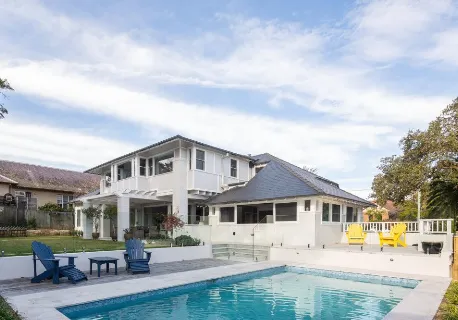
Concept: Adapting a beautiful family heritage home in a quiet street on a large site to suit the family’s lifestyle

Concept: Designing a new family home that maximises the views and introduces a sense of open space

Concept: A complex yet successful renovation of this stunning heritage home in a conservation area

Concept: A 1970s build transformed into a bright, open design maximising stunning harbour views

Concept: A complete rebuild of half the property over two levels, whilst also incorporating the property next door

Concept: A majestic holiday home that pushes the design envelop, blending sustainable materials and natural light


Concept: A major ground floor renovation of a large estate with a new three-car garage and 14 metre pool

© Copyright Playoust Churcher 2026 All rights reserved. Website by Brilliant Digital.
We live and work on the lands of the Gadigal people of the Eora nation. We acknowledge their traditional custodianship of the land and pay respects to their Elders past, present and emerging.