
Freshwater
Concept: Creating a light, airy, character-filled three-level Hampton-style beach home on a small corner site
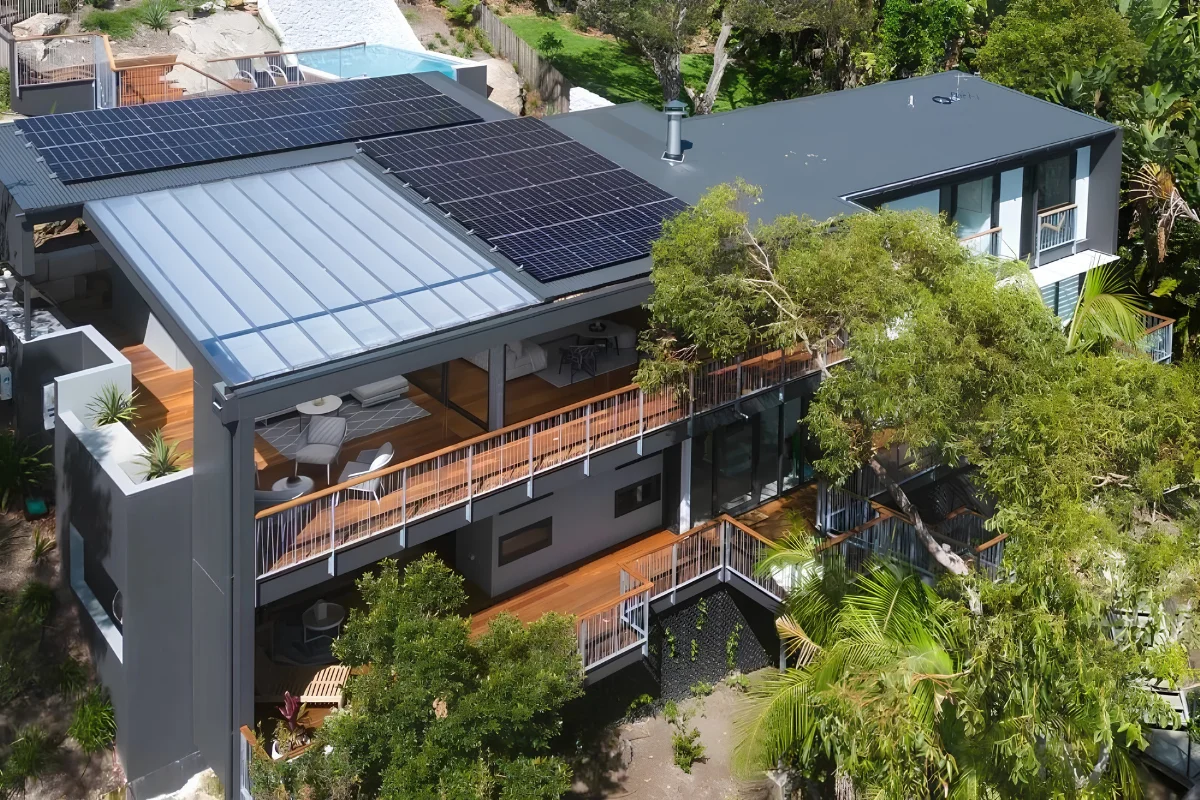
Economic uncertainty often casts a shadow over significant investments, particularly those involving the construction of a new home or a major renovation. Factors such as rising interest rates, shifting government and council regulations, persistent supply chain issues, and variable construction costs have led many homeowners to reconsider their plans, prompting a common inquiry: Should we proceed with building now, or hold off?
From an architect’s viewpoint, a universal solution rarely applies. Each project, site, financial plan, and family situation is unique. Nevertheless, several critical considerations can guide your decision on whether this is the time to embark on a construction project.
In this article, I examine the pros and cons, risks and strategies of starting a new project in the current environment.
“The key is not simply asking ‘Should we build now?’ but rather ‘What is the smartest path forward for our situation?’”
A big consideration is the cost of materials. Over the past few years, the construction industry has experienced dramatic price increases across timber, steel, concrete, and other key building products. While some prices have stabilised, many industry experts agree that material costs are unlikely to return to pre-pandemic levels.
In other words, waiting may not necessarily mean that building becomes cheaper. There can sometimes be short-term fluctuations or temporary reductions in certain products, but the long-term trend in construction costs generally moves upward. Inflation, freight costs, labour shortages and increasing compliance requirements all contribute to ongoing pressure on pricing. For many clients, this means that delaying a project may simply result in paying more later.
Another important consideration is the availability of skilled trades and builders. Construction activity remains strong across many regions, and quality builders are still in high demand. While some sectors of the market have slowed, experienced and reliable tradespeople remain booked months in advance. Over recent months, we have seen an increase in builders actively looking for projects and, as a result, they are becoming more competitive with their labour rates.
For clients who are ready to proceed, current conditions may actually present an opportunity to secure reputable builders and consultants before the market tightens again. If demand increases rapidly in the future, as often happens when interest rates ease or government incentives change, labour availability can quickly become strained. This can lead to longer waiting periods and higher construction pricing.
One aspect of the process that many homeowners underestimate is the amount of time required for approvals. Depending on the project’s complexity and the local council involved, development approvals can take 8 to 12 months or longer.
This means that even if you begin planning today, construction may not commence until well into the future. Waiting for “perfect conditions” before starting the design and approval process can unintentionally create further delays. Many clients benefit from beginning the planning phase early so they are ready to move forward when timing and finances align.
Let’s look at the benefits of building now rather than delaying. Starting the process sooner can provide more control over timing and budgeting. Locking in consultants, builders, and suppliers earlier may help reduce exposure to future cost increases.
Working with an architect allows clients to create a home specifically designed around their lifestyle, site conditions and long-term goals. In uncertain economic times, smart design becomes even more important. A well-designed home can improve energy efficiency, reduce future operating costs and increase long-term property value by future-proofing the design.
Beginning now also allows time to carefully stage the project, refine the design and assess costs progressively rather than rushing decisions later. This can lead to better financial outcomes and fewer compromises during construction.
Interest rates, inflation and lending conditions remain unpredictable. Some clients may prefer to wait for greater financial stability before committing to a major investment.
Construction costs can still fluctuate. While prices may stabilise in some areas, building costs are still subject to change throughout the approval and construction process. Without careful planning and documentation, budget blowouts can occur.
Building a home is a significant undertaking. For some families, uncertainty in employment, business or personal finances may make delaying the project the more sensible option. The most successful projects are rarely about timing the market perfectly. Instead, they come from making informed, strategic decisions based on individual circumstances.
At Playoust Churcher, our role as architects is to help clients pilot these decisions with market and locality experience. This includes understanding budgets, managing consultant coordination, guiding council approvals and working closely with builders to control costs wherever possible. Since the pandemic, many builders have opted for a ‘cost-plus’ contract to protect themselves against unknown cost escalations. This, however, leaves clients exposed to future increases. Through our negotiation process, we are often able to secure the builder’s agreement to a hybrid approach, whereby some parts of the build are fixed-price while others remain flexible. This approach provides a favourable and balanced outcome for most projects.
Importantly, good architectural planning is not about encouraging clients to build at any cost. It is about identifying the best strategy for each individual client. For some, that may mean proceeding immediately. For others, it may involve staging the project, refining the brief or waiting until the timing is more appropriate. When staging a project, the design process is even more important to ensure the built work does not need to be redone later.
There are sound reasons why now can be a good time to begin planning a project. Material prices are unlikely to dramatically fall, approval timeframes remain lengthy, and skilled labour continues to be in demand. Clients who approach the process strategically, with realistic budgets and experienced professional guidance, are often best positioned to achieve successful outcomes.
The key is not simply asking “Should we build now?” but rather “What is the smartest path forward for our situation?”
That is where experienced architectural advice becomes invaluable.
“The most successful projects are rarely about timing the market perfectly. Instead, they come from making informed, strategic decisions based on individual circumstances.”
Playoust Churcher Architects is Sydney’s North Shore’s most respected architectural firm. We have been integral to the area’s architectural fabric, designing and supervising the construction of many of its most esteemed renovation and new-build projects.
Our team is well-positioned to maximise your financial return and is committed to delivering value that minimises risk and ensures projects stay on schedule and within budget.
Contact our team for a comprehensive consultation on your project.
There is no one-size-fits-all answer, as every project, budget and family situation is different. However, factors such as material costs, labour availability and lengthy approval timeframes all need to be carefully considered.
While some material prices may fluctuate in the short term, construction costs generally trend upwards over time. Inflation, freight costs, labour shortages and compliance requirements continue to place pressure on pricing.
Experienced builders and skilled tradespeople remain in high demand across many regions. Starting sooner may help secure reputable professionals before market demand increases again.
Development approvals can take 8 to 12 months, depending on the project’s complexity and the local council. Beginning the planning process early can help avoid unnecessary delays later.
Starting earlier can provide more control over budgeting, timing and consultant availability. It also allows more time to refine the design and make informed decisions throughout the process.
Interest rates, lending conditions and construction costs can still change throughout the project. Without careful planning and documentation, projects may face budget increases or delays.
Playoust Churcher Architects helps clients navigate budgets, council approvals, consultant coordination and construction planning with experienced professional guidance. Their approach focuses on identifying the smartest strategy for each client’s individual circumstances.
The team works closely with clients, consultants and builders to help manage costs, minimise delays and keep projects aligned with budgets and schedules. Their experience across Sydney’s North Shore allows them to provide strategic advice that supports long-term value and successful project outcomes.

Construction costs are unlikely to return to pre-pandemic levels, meaning delaying a project may not necessarily save money.
Long council approval timeframes mean that starting the planning process early can help avoid significant delays later.
Securing experienced builders and trades earlier may provide greater flexibility before market demand tightens again.
Strategic architectural planning can help clients manage risk, improve energy efficiency and maximise long-term property value.
Managing Director & Nominated Architect
NSW Architect Registration No. 5924
With over 30 years of architectural experience, Brett Churcher leads Playoust Churcher Architects with a rare combination of design expertise and commercial insight. As a registered architect and Managing Director, Brett has played a pivotal role in delivering high-end single residential homes and boutique medium-density developments across Sydney’s North Shore and beyond.
Brett’s unique strength lies in his deep understanding of both architectural design and the Sydney property market. His valuation background enables him to align creative vision with practical feasibility, ensuring each project achieves both aesthetic excellence and financial viability.
At Playoust Churcher, Brett drives the studio’s growth, strategy, and leadership, while remaining closely connected to what matters most: the client. His ability to see the bigger picture from a client’s perspective and to guide projects seamlessly through the design process is at the heart of his role and reputation.

Reach out to Brett to explore how Playoust Churcher can bring it to life—with clarity, creativity and confidence.

Concept: Creating a light, airy, character-filled three-level Hampton-style beach home on a small corner site
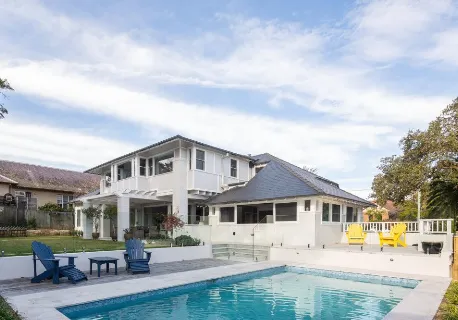
Concept: Adapting a beautiful family heritage home in a quiet street on a large site to suit the family’s lifestyle

Concept: Designing a new family home that maximises the views and introduces a sense of open space

Concept: A complex yet successful renovation of this stunning heritage home in a conservation area

Concept: A 1970s build transformed into a bright, open design maximising stunning harbour views

Concept: A complete rebuild of half the property over two levels, whilst also incorporating the property next door

Concept: A majestic holiday home that pushes the design envelop, blending sustainable materials and natural light


Concept: A major ground floor renovation of a large estate with a new three-car garage and 14 metre pool

© Copyright Playoust Churcher 2026 All rights reserved. Website by Brilliant Digital.
We live and work on the lands of the Gadigal people of the Eora nation. We acknowledge their traditional custodianship of the land and pay respects to their Elders past, present and emerging.