
Freshwater
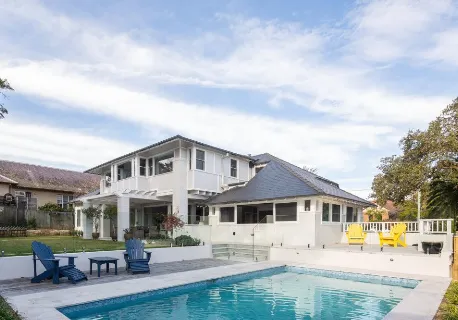
Concept: Creating a light, airy, character-filled three-level Hampton-style beach home on a small corner site
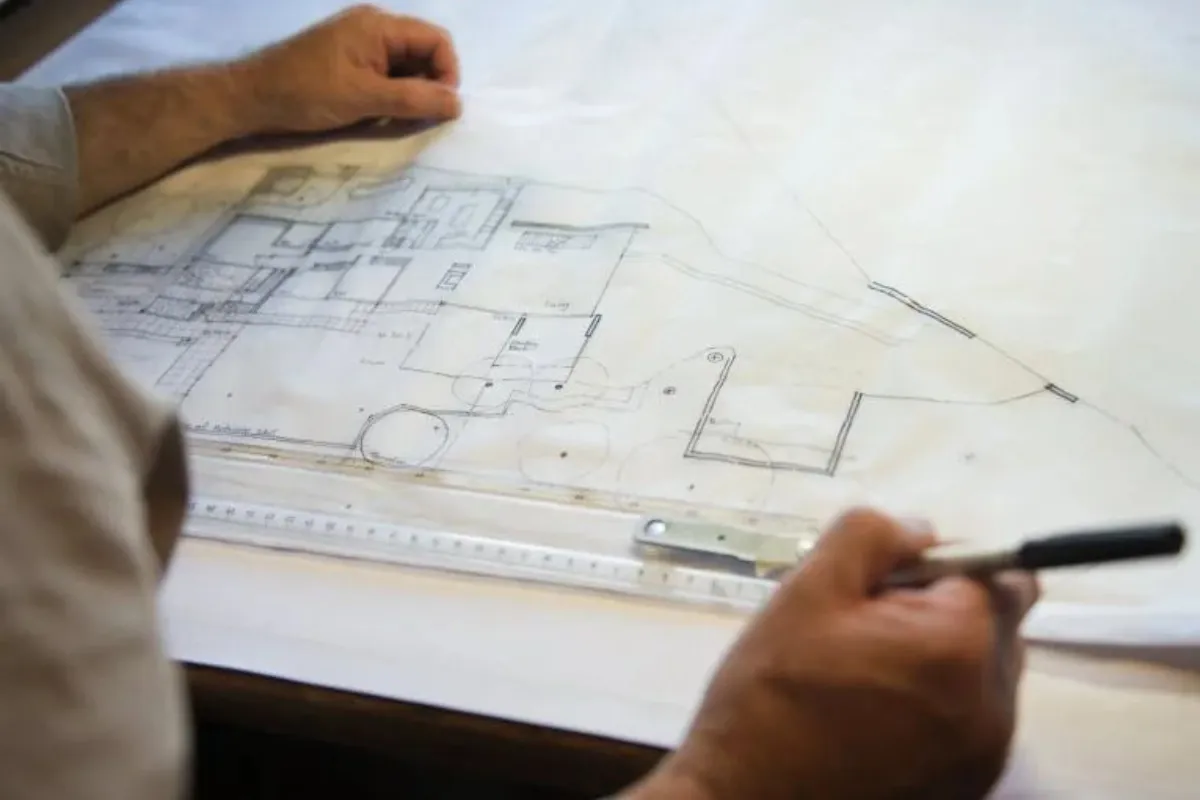
If you’re planning to renovate, extend, rebuild, or develop a property on Sydney’s North Shore, understanding the Development Application (DA) process is essential. Whether your project is located in Ku-ring-gai, North Sydney, Willoughby, Lane Cove, Mosman, Hunters Hill, or the Northern Beaches, council approval is often one of the most important stages of the journey.
Planning controls, heritage restrictions, neighbour considerations, environmental regulations and extensive documentation requirements all play a role in determining whether a project will be approved. However, with the right preparation and experienced professional guidance, the process can be smooth and efficient.
“A successful DA is not just about meeting planning controls, it’s about designing a proposal that responds thoughtfully to the site, streetscape and surrounding neighbourhood.”
A Development Application, commonly referred to as a DA, is a formal application submitted to the relevant council seeking approval for proposed building or renovation works. Councils assess DAs to ensure projects comply with local planning controls, environmental regulations, neighbourhood character guidelines, and broader community objectives.
In Sydney’s North Shore councils, DAs are commonly required for:
The DA process exists to ensure that development is appropriate for its location and does not negatively impact surrounding properties, streetscapes, heritage significance, or the natural environment.
North Shore councils are known for their stringent planning controls. Many suburbs contain heritage conservation areas, environmentally sensitive land, bushfire-prone sites, or established character streetscapes that councils aim to preserve. A DA helps councils assess whether a proposal aligns with:
Importantly, gaining approval is not about meeting numerical planning standards. Councils also assess how well a design responds to the site, surrounding homes, streetscape, and neighbourhood character. This is particularly relevant on the North Shore, where council interpretation and planning expectations can vary significantly between municipalities.
One of the biggest misconceptions homeowners have is that all councils assess projects the same way. In reality, each North Shore council has its own planning nuances and priorities.
For example:
Ku-ring-gai Council is known for its strict heritage and landscape controls
Lane Cove Council often prioritises sustainability and bushland preservation
Willoughby Council focuses heavily on streetscape character and built form
Northern Beaches Council regularly assesses issues relating to slope, overshadowing and view sharing
North Sydney Council requires careful consideration of density, privacy and neighbourhood integration
Because of these differences, local experience becomes extremely valuable during the approval process.
While every project is unique, the DA process generally follows several key stages.
Site analysis and feasibility. Before design work begins, the site is assessed to identify planning opportunities and constraints. This includes reviewing zoning, heritage overlays, slope, landscaping restrictions, setbacks, floor space ratios, height controls and environmental considerations. This early stage is important. It helps establish what is realistically achievable before substantial design investment occurs.
Concept design. Once the site analysis is complete, concept designs are developed. At this stage, architects balance the client’s vision with council planning requirements and neighbourhood context. A strong concept design considers not only compliance, but also how the proposal will be perceived by council planners and neighbouring properties.
Pre-DA consultation. For more complex projects, particularly heritage homes or challenging sites, a pre-DA meeting with the council may be recommended. These meetings allow architects and planners to discuss the proposal directly with council officers before formal submission. Pre-DA engagement can help identify potential concerns early, reducing delays and revisions later in the process.
Preparing documentation. A DA submission typically includes extensive supporting documentation, such as:
Council assessment and public notification. Once submitted, the council reviews the application and may notify neighbouring properties for public comment. Council assessment officers also consult internal specialists, including heritage advisors, engineers, landscape officers and environmental planners. During this stage, councils may request amendments or additional information before proceeding toward determination.
Determination and approval. Following the assessment, the council will either approve the application, approve it with conditions, or refuse it. If approved, construction documentation and a Construction Certificate are typically required before building work can commence.
“On Sydney’s North Shore, local council experience can make the difference between a smooth approval process and costly delays.”
Obtaining DA approval involves more than preparing drawings. Experience with local councils, understanding of planning interpretation, and the ability to present a well-considered planning narrative will significantly improve outcomes. On Sydney’s North Shore, where heritage controls, environmental constraints and neighbourhood character are carefully protected, engaging professionals with strong local knowledge can help smooth the process and minimise costly delays.
A well-managed DA process ensures your project is not only compliant but also positioned for the best possible outcome from the outset.
Playoust Churcher Architects is Sydney’s North Shore’s most respected architectural firm. We have been integral to the area’s architectural fabric, designing and supervising the construction of many of its most esteemed renovation and new-build projects.
Our team is well-positioned to maximise your financial return and is committed to delivering value that minimises risk and ensures projects stay on schedule and within budget.
Contact our team for a comprehensive consultation on your project.
A Development Application (DA) is a formal submission to the council seeking approval for proposed building or renovation works. It allows councils to assess whether a project complies with local planning controls, environmental regulations and neighbourhood character requirements.
DAs are commonly required for new homes, major renovations, extensions, knockdown rebuilds, dual occupancies and heritage alterations. Some swimming pools, landscaping works and secondary dwellings may also require approval depending on the site and council requirements.
North Shore councils carefully assess development to protect heritage streetscapes, natural environments and neighbourhood character. A well-prepared DA helps ensure projects are appropriate for their location and minimise impacts on surrounding properties.
No, each North Shore council has its own planning priorities and interpretation of controls. For example, Ku-ring-gai focuses heavily on heritage and landscape protection, while Northern Beaches Council often places strong emphasis on slope, views and overshadowing.
The DA process generally includes site analysis, concept design, documentation preparation, council assessment and final determination. Depending on the project, councils may also request additional information or amendments before granting approval.
Local experience helps architects understand how individual councils interpret planning controls and assess applications. This insight can improve the quality of submissions, reduce delays and increase the likelihood of a smoother approval process.
Playoust Churcher Architects has extensive experience working across North Shore municipalities and understands the specific planning expectations of each council. This local knowledge helps clients navigate complex approval pathways more efficiently and avoid unnecessary complications.
Playoust Churcher Architects is highly regarded for delivering thoughtful, well-resolved designs that respond to local planning requirements and neighbourhood character. Their long-standing experience across Sydney’s North Shore helps position projects for the best possible approval outcome from the outset.

Development Applications are essential for most major building, renovation and redevelopment projects across Sydney’s North Shore.
Each North Shore council has unique planning priorities, making local architectural and council experience highly valuable.
A well-prepared DA includes detailed documentation, strategic planning and consideration of neighbourhood character and environmental impacts.
Engaging experienced professionals early can help streamline approvals, reduce revisions and improve overall project outcomes.
Managing Director & Nominated Architect
NSW Architect Registration No. 5924
With over 30 years of architectural experience, Brett Churcher leads Playoust Churcher Architects with a rare combination of design expertise and commercial insight. As a registered architect and Managing Director, Brett has played a pivotal role in delivering high-end single residential homes and boutique medium-density developments across Sydney’s North Shore and beyond.
Brett’s unique strength lies in his deep understanding of both architectural design and the Sydney property market. His valuation background enables him to align creative vision with practical feasibility, ensuring each project achieves both aesthetic excellence and financial viability.
At Playoust Churcher, Brett drives the studio’s growth, strategy, and leadership, while remaining closely connected to what matters most: the client. His ability to see the bigger picture from a client’s perspective and to guide projects seamlessly through the design process is at the heart of his role and reputation.

Reach out to Brett to explore how Playoust Churcher can bring it to life—with clarity, creativity and confidence.

Concept: Creating a light, airy, character-filled three-level Hampton-style beach home on a small corner site
Concept: Adapting a beautiful family heritage home in a quiet street on a large site to suit the family’s lifestyle

Concept: Designing a new family home that maximises the views and introduces a sense of open space

Concept: A complex yet successful renovation of this stunning heritage home in a conservation area

Concept: A 1970s build transformed into a bright, open design maximising stunning harbour views

Concept: A complete rebuild of half the property over two levels, whilst also incorporating the property next door

Concept: A majestic holiday home that pushes the design envelop, blending sustainable materials and natural light


Concept: A major ground floor renovation of a large estate with a new three-car garage and 14 metre pool

© Copyright Playoust Churcher 2026 All rights reserved. Website by Brilliant Digital.
We live and work on the lands of the Gadigal people of the Eora nation. We acknowledge their traditional custodianship of the land and pay respects to their Elders past, present and emerging.